Physical Address
304 North Cardinal St.
Dorchester Center, MA 02124
Physical Address
304 North Cardinal St.
Dorchester Center, MA 02124


A deep clean is a thorough, top-to-bottom cleaning of your home that goes beyond routine tidying, targeting built-up grime, neglected corners, and surfaces that daily cleaning rarely reaches. Most professional deep cleans cover everything from skirting boards and behind appliances to limescale on taps and grease on extractor fans.
It’s the difference between a home that looks clean and one that genuinely is clean.
In this guide, we’ll cover whether deep cleaning is truly necessary, when it’s worth paying a professional, and which time of year makes the most sense to tackle it. I’ll share practical timelines and real-world observations from years of writing about home care and working alongside professional cleaners.
A deep cleaning is genuinely necessary for most homes at least once or twice per year, as routine cleaning removes surface-level dirt but leaves behind bacteria, allergens, and grease deposits that accumulate in overlooked areas. Without periodic deep cleaning, indoor air quality declines and surfaces degrade faster over time.
Regular maintenance cleaning is brilliant for keeping things ticking over. You wipe down surfaces, vacuum the floors, clean the loo, and the house looks respectable. But here’s what that routine doesn’t touch: the dust collecting behind your radiators, the grease film building on your kitchen cabinets, the mildew quietly establishing itself along the shower grout.
I spoke with a professional cleaner who’d been in the industry for over two decades, and she made a point that stuck with me. She said she could always tell within five minutes of entering a home whether it had ever had a proper deep clean, regardless of how tidy it looked on the surface. The telltale signs are in the details, like the colour of the sealant around the bath, the state of the oven door hinges, the dust packed into air vents.
According to the NHS, dust mites and allergens in soft furnishings and carpets are a leading trigger for asthma and allergy sufferers in the UK. A deep clean that includes mattresses, upholstery, and carpets can meaningfully reduce these triggers, not just make the room smell nicer. That’s a practical health outcome, not just an aesthetic one.

A thorough home deep clean follows a room-by-room sequence working top-to-bottom, typically covering 15 to 20 distinct tasks per room and requiring between 4 and 8 hours for an average three-bedroom home, depending on existing condition. Starting from the highest surfaces ensures that falling dust and debris is captured during later floor-level cleaning.
This checklist covers the core sequence for a full home deep clean.
Following this sequence matters. I’ve seen well-intentioned deep cleans undone entirely by mopping the kitchen floor first and then dislodging a decade of dust from the top of the fridge cabinets straight onto it. Top-down, every time.
Paying for a professional deep clean is worth it when the property requires more than 6 hours of cleaning, when occupants have mobility issues or allergies, or when preparing a home for sale, new tenants, or a significant occasion. Professional deep cleaning typically costs between £150 and £400 for an average UK home, depending on size and condition.
There’s no shame in hiring help. In fact, there are situations where it makes far more practical and financial sense than going the DIY route.
If you’re an end-of-tenancy situation, the calculus is fairly straightforward. Most deposit disputes in the UK involve cleaning, and a professional clean with a receipt is often accepted as sufficient evidence by tenancy deposit schemes. The cost of the clean is almost always less than a contested deduction. Similarly, if you’re putting a property on the market, estate agents consistently report that a deep-cleaned home photographs better, presents better at viewings, and sells faster.
For everyday households, though, the decision is more personal. If the idea of spending a full weekend scrubbing your oven and washing your skirting boards fills you with genuine dread, and it will genuinely sit undone otherwise, then paying someone to do it is money well spent. A home that actually gets deep cleaned twice a year via a professional is infinitely better than one that theoretically gets DIY deep cleaned once a year but in practice never quite happens. You can find useful guidance on when to hire a cleaning service if you’re weighing up the options.

| Scenario | DIY Time | DIY Cost (Products) | Pro Cost | Pro Time Required from You |
|---|---|---|---|---|
| 1-bed flat | 5-6 hours | £20-£40 | £100-£180 | 0 hours |
| 2-bed house | 7-9 hours | £30-£50 | £150-£250 | 0 hours |
| 3-bed house | 9-12 hours | £40-£70 | £200-£350 | 0 hours |
| 4-bed house | 12-16 hours | £50-£90 | £280-£450 | 0 hours |
| End of tenancy (any size) | As above +20% | As above | +£30-£50 premium | 0 hours |
When weighing up DIY versus professional, the table above shows that product costs are relatively modest either way. What you’re really paying for professionally is time, expertise, and the right equipment. A professional will have commercial-grade steam cleaners, specialist grout tools, and industrial degreasers that simply aren’t practical to own as a homeowner.
Deep cleans are absolutely worth it for virtually every home, whether done professionally or by the homeowner, as the health, maintenance, and quality-of-life benefits consistently outweigh the time and cost involved. Homes that receive regular deep cleaning have better air quality, slower surface degradation, and reduced long-term maintenance costs.
The question isn’t really whether deep cleans are worth doing. They are, categorically. The question is finding the approach that means they actually happen rather than sitting permanently on the to-do list.
If budget allows, booking a professional twice a year removes the decision entirely and gets it done properly. If you prefer to DIY, building the habit around two fixed points in the calendar, spring and autumn, is far more effective than waiting until you feel like doing it (which, let’s be honest, is never). A practical framework like a room-by-room cleaning order takes the guesswork out of where to start, which is often the biggest obstacle.
Start small if the whole house feels overwhelming. Pick one neglected area, the oven, the bathroom grout, the skirting boards throughout, and tackle that first. One properly completed deep-clean task is worth ten that never got started. Once you see the results, the motivation to continue genuinely builds. And if you ever need to tackle things quickly, there are solid techniques for how to clean extremely fast that don’t sacrifice the result.
Key takeaways:
Are deep cleans worth it for a rental property? Deep cleans are absolutely worth it for rental properties, as professional cleaning is the most common cause of deposit disputes and a verifiable clean protects both landlord and tenant. Most tenancy deposit schemes accept a professional receipt as evidence of satisfactory cleaning condition. You can read more about deep cleaning on Wikipedia.
How often should you deep clean a house? Most homes benefit from a full deep clean twice per year, typically in spring and autumn, though households with pets, young children, or allergy sufferers may benefit from quarterly deep cleans. The frequency depends on occupancy levels, lifestyle, and how consistently routine cleaning is maintained between sessions.
How long does a deep clean take? A professional deep clean of an average three-bedroom home typically takes between 4 and 8 hours with a team of two cleaners, while a DIY deep clean of the same property may take one person between 9 and 12 hours spread over a weekend. Condition of the property and the number of areas included significantly affect the total time required.
What is included in a deep clean that a regular clean doesn’t cover? A deep clean includes inside kitchen appliances, behind and underneath furniture, grout scrubbing, limescale removal, skirting boards, window frames, extractor fans, mattresses, upholstery, and light fittings that routine cleaning skips. Regular cleaning maintains surface hygiene, while a deep clean addresses the accumulated grime that builds up in these overlooked areas over months.
Is it bad to deep clean too often? Deep cleaning too frequently is rarely a practical concern for most households, but over-cleaning certain surfaces using harsh chemicals can degrade finishes, strip sealant, and damage grout over time. Using the appropriate products for each surface and following a sensible schedule protects both hygiene and the longevity of your home’s materials.
What is the best way to prepare for a professional deep clean? Decluttering before a professional deep clean arrives is the single most important preparation, as it allows cleaners to access all surfaces without spending billable time tidying personal items. Removing items from floors, clearing kitchen worktops, and emptying bathroom cabinets ensures you get the maximum cleaning value for the time and cost involved.
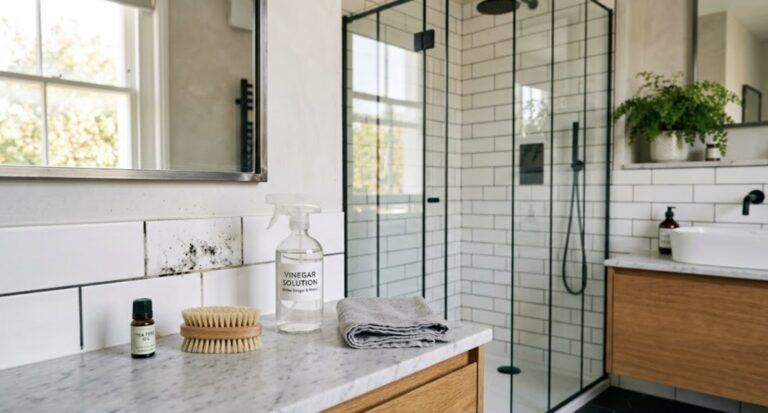
Can a deep clean remove mould? A deep clean can remove surface mould using specialist antifungal treatments, but mould that has penetrated behind tiles, under sealant, or into plasterwork requires professional remediation beyond the scope of cleaning. Addressing the underlying damp or ventilation issue that caused the mould is essential, or it will return within weeks regardless of how thoroughly the surface has been cleaned.
How much does a professional deep clean cost in the UK? Professional deep cleaning in the UK typically costs between £150 and £400 for an average three-bedroom home, with end-of-tenancy cleans often attracting a small premium due to the higher standard required. Prices vary by region, property size, and condition, with London and the South East generally commanding rates 20 to 30 percent higher than the national average.