Physical Address
304 North Cardinal St.
Dorchester Center, MA 02124
Physical Address
304 North Cardinal St.
Dorchester Center, MA 02124


Daily cleaning means tackling small household tasks each day to maintain a tidy, hygienic home rather than letting mess accumulate. It keeps your living space comfortable and reduces the dread of a massive weekend clean-up.
But here’s the thing nobody tells you: cleaning every day doesn’t mean scrubbing every surface from top to bottom.
In this guide, we’ll look at whether daily cleaning is genuinely good for you, how often you actually need to clean, and why some of us feel that nagging urge to tidy constantly. I’ll share practical routines and honest advice drawn from years of helping households find a rhythm that works.
Cleaning every day is good for most households because small daily tasks like washing dishes, wiping kitchen surfaces, and a quick 15-minute tidy prevent grime build-up and reduce stress. Daily habits keep mess manageable without overwhelming your schedule.
I’ve worked with hundreds of homes over the years, and the pattern is always the same. The households that struggle most aren’t the ones with the biggest properties or the busiest lives. They’re the ones who save everything for one big push and then dread it all week.
There’s solid reasoning behind little-and-often. According to the NHS guidance on cleaning your home, regular attention to kitchens and bathrooms matters most because these are the spots where germs gather fastest. A daily wipe of high-touch surfaces does far more for your health than a fortnightly deep scrub.
That said, “every day” should feel light. Ten or fifteen minutes of focused effort is plenty for most homes, and the rest can wait for your weekly slots.
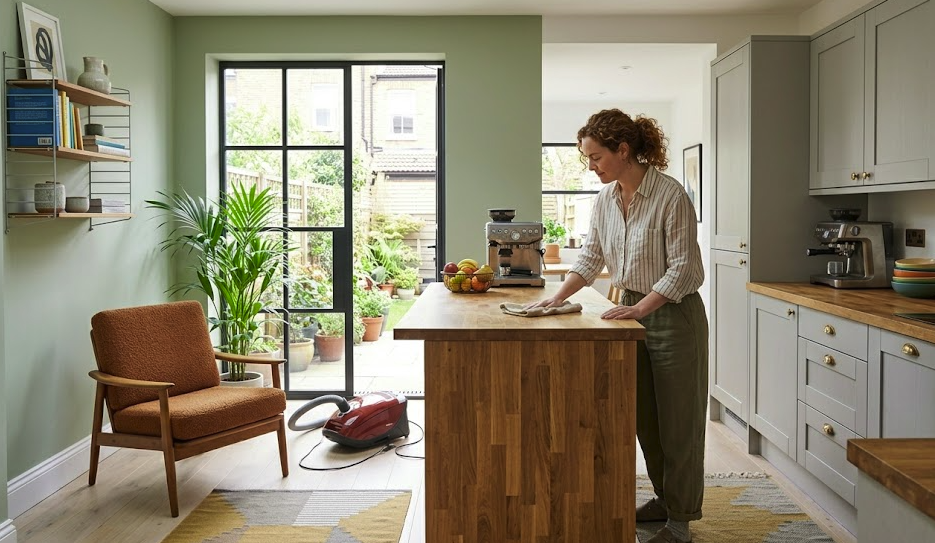
A daily cleaning routine consists of five to seven small tasks completed in roughly 15 to 20 minutes, focused on kitchens, bathrooms, and shared spaces. An effective routine assigns specific tasks to set times, making upkeep automatic rather than effortful.
This checklist sets out the steps for building a daily cleaning routine that actually sticks.
Follow this order and the daily side of cleaning becomes genuinely effortless. For more detailed routine ideas, my full guide to daily cleaning routines expands on each of these steps.
You are supposed to clean up every day only for essential hygiene tasks, not full-house cleaning. Daily clean up covers dishes, kitchen surfaces, spills, and a brief tidy of around 15 minutes, whilst thorough cleaning happens weekly across rotating zones.
So here’s the honest answer to the question that brought you here. Yes, a little daily clean up genuinely helps, but the idea that you must clean the whole house every single day is a myth that exhausts people unnecessarily.
The daily essentials are a short list. Wash or stack the dishes, wipe down kitchen worktops and the hob (grease loves to settle, and my guide to the best thing to clean grease with covers this well), deal with any spills before they set, give the bathroom sink a quick once-over, and spend ten minutes returning stray items to where they belong. That’s it.
Everything else, the hoovering, the dusting, the mopping, the proper bathroom scrub, belongs to your weekly routine. Professional cleaners work this way too, and understanding how room attendants and housekeeping differ shows how even the experts split daily upkeep from deeper periodic work.
A tidy home isn’t built on heroic daily effort. It’s built on small, consistent habits that barely register as work.
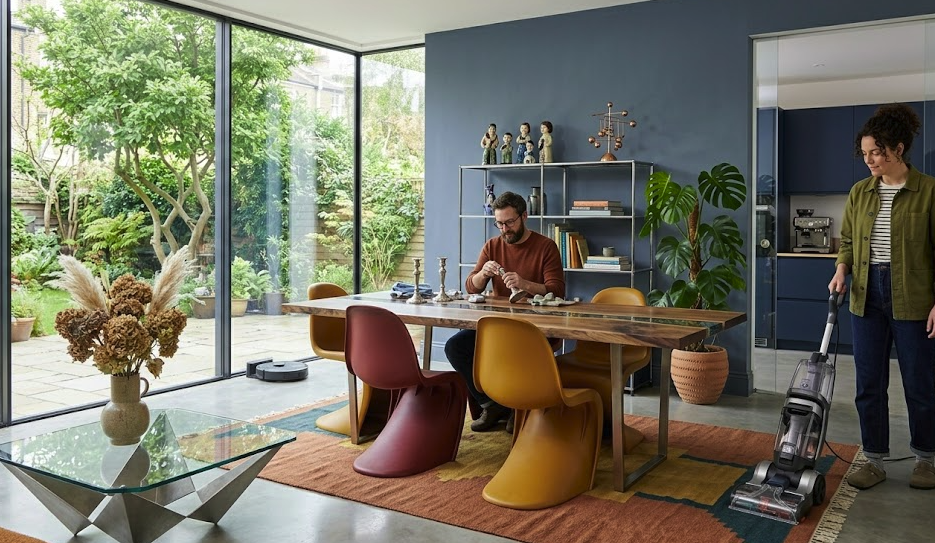
The table below shows a realistic split of common household tasks, with suggested time investment for each.
| Task | Frequency | Time Needed | Zone |
|---|---|---|---|
| Washing dishes | Daily | 10-15 mins | Kitchen |
| Wiping worktops and hob | Daily | 5 mins | Kitchen |
| Quick tidy of clutter | Daily | 10 mins | All rooms |
| Bathroom sink wipe | Daily | 3 mins | Bathroom |
| Hoovering main rooms | Weekly | 20-30 mins | Living areas |
| Dusting surfaces | Weekly | 15 mins | All rooms |
| Mopping hard floors | Weekly | 20 mins | Kitchen, bathroom |
| Full bathroom clean | Weekly | 30-40 mins | Bathroom |
| Changing bed linen | Weekly | 15 mins | Bedrooms |
The takeaway is clear: daily tasks total well under 40 minutes combined, whilst the heavier weekly jobs spread comfortably across separate days. No single day should ever feel punishing.
So, are you supposed to clean up every day? Yes, but only the small stuff. A short daily routine of dishes, wiped surfaces, quick spill management, and a brief tidy keeps your home pleasant and stops mess snowballing into a weekend nightmare.
The deeper jobs, your hoovering, dusting, mopping, and proper bathroom scrubs, belong to a weekly schedule spread across two or three sessions. This little-and-often approach is kinder on your time, your energy, and your stress levels than any all-or-nothing blitz.
To put this into practice, start tomorrow by picking a fixed 15-minute daily slot, write out a simple weekly zone rota, and adjust the frequency to suit your household’s pets, children, and pace. Within a fortnight, the routine will feel automatic, and a tidy home will simply become your normal.
Three actionable takeaways:
Is cleaning every day bad for you? Cleaning every day is not bad for you as long as it stays brief and light, around 15 minutes of essential tasks. It only becomes a concern if cleaning causes stress or feels compulsive rather than satisfying.
What happens if you don’t clean your house regularly? Skipping regular cleaning allows dust, germs, and grime to build up, which can affect both hygiene and air quality. Mess also tends to snowball, making the eventual clean-up far larger and more stressful.
How long should daily cleaning take? Daily cleaning should take roughly 15 to 20 minutes for most homes, focused on kitchens, bathrooms, and shared spaces. Anything longer usually means you’re attempting weekly tasks that could be spread out instead.
Is it normal to clean every single day? Cleaning lightly every single day is completely normal and a healthy habit for maintaining a comfortable home. Many people also find the routine genuinely calming, which is perfectly fine.
Should you clean the whole house in one day? Cleaning the whole house in one day is not necessary and often leaves people exhausted and resentful of cleaning. Spreading tasks across the week by zone is far more sustainable and manageable.
How often should you change bed sheets? Bed sheets should be changed weekly as part of your regular cleaning routine to keep bedrooms fresh and hygienic. Households with pets, allergies, or warmer weather may benefit from changing them more often.
Does cleaning daily reduce stress? Cleaning daily can reduce stress for many people because a tidy space feels calmer and offers a sense of control. The key is keeping it brief so the routine relieves stress rather than adding to it. You can read more about cleaning and home maintenance on the Wikipedia housekeeping page.
What is the best daily cleaning habit to start with? The best daily habit to start with is washing or stacking dishes straight after meals, since it prevents the most visible pile-up. Once that feels automatic, add wiping worktops and a short evening tidy.