Physical Address
304 North Cardinal St.
Dorchester Center, MA 02124
Physical Address
304 North Cardinal St.
Dorchester Center, MA 02124


Housekeeping qualifications are the formal credentials, certificates, or demonstrated skills that employers use to assess whether a candidate is suitable for a domestic or commercial cleaning role. Most housekeeping positions do not require a degree or regulated licence, but having the right combination of practical skills, attitude, and optional training can significantly improve your chances of being hired.
That said, the picture is more nuanced than a simple yes or no.
In this guide, we’ll cover what qualifications a housekeeper genuinely needs, whether you can start with no experience, and how to successfully apply for your first housekeeping role. I’ll share practical advice and real scenarios drawn from years of working in and around the domestic services industry.
Housekeeping qualifications typically include a combination of practical cleaning skills, basic health and safety knowledge, and strong interpersonal attributes rather than a formal academic degree. Most employers prioritise demonstrated competence, reliability, and trustworthiness over paper credentials.
The good news is that the bar for entry is more accessible than many people assume.
In the United Kingdom, there is no single mandatory qualification required to work as a housekeeper. However, completing a short course such as a Level 1 or Level 2 Award in Cleaning and Support Services (offered through organisations like BICS or City and Guilds) will make your CV stand out considerably. These qualifications cover everything from correct product handling to safe manual lifting techniques, which are precisely the kinds of details that reassure a hiring manager you know what you’re doing.
Beyond certificates, employers consistently look for soft skills: punctuality, discretion, attention to detail, and the ability to work independently without supervision. I’ve seen candidates with no formal paperwork whatsoever land excellent positions simply because they presented themselves with confidence, provided solid references, and demonstrated a genuine understanding of what the role involves. A certificate helps, but character often carries more weight than you might expect.
According to the UK Health and Safety Executive (HSE), workers handling cleaning chemicals must be properly instructed in their safe use, which means even informal on-the-job training should cover COSHH (Control of Substances Hazardous to Health) basics. This is worth knowing before your first interview, as being able to reference this demonstrates genuine awareness rather than just enthusiasm.
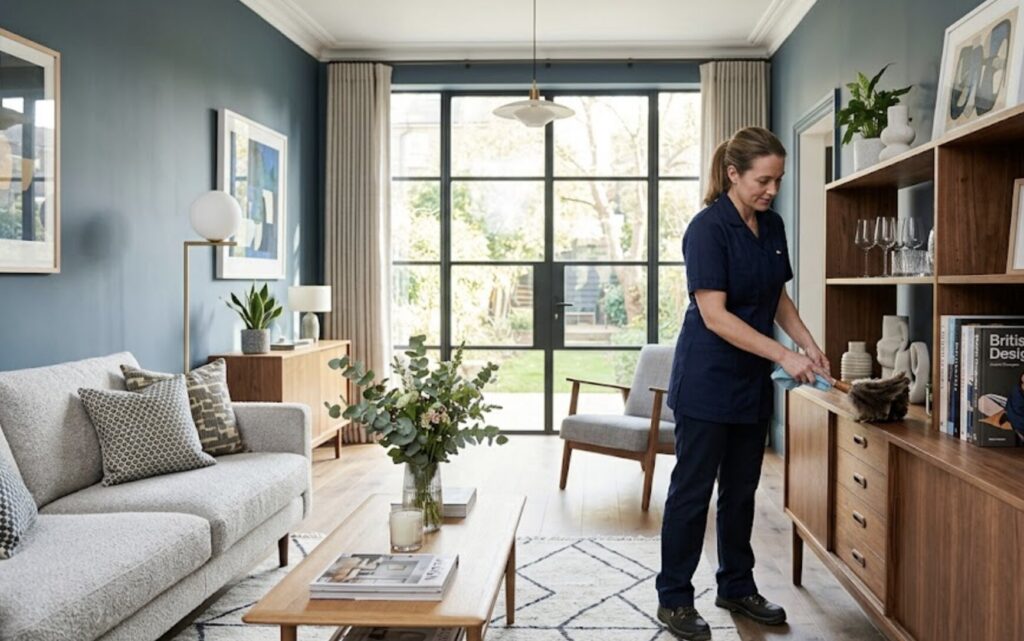
Applying for a housekeeping job without experience requires a targeted approach: lead with transferable domestic skills, obtain a DBS certificate independently, gather at least one personal or character reference, and tailor each application to demonstrate genuine knowledge of what the role involves day to day.
Generic applications rarely work in this sector. Specificity does.
Here is a practical, step-by-step process for applying for housekeeping roles when you’re starting without formal experience:
The sequential order here matters. Getting your DBS certificate sorted before anything else removes one of the most common objections a prospective employer might have, and doing it on your own initiative signals exactly the kind of self-starter mentality that housekeeping employers value most.
Housekeeping without prior professional experience is entirely possible, as many employers, particularly in private households and smaller hotels, will hire entry-level candidates who demonstrate a positive attitude, physical capability, and a willingness to learn on the job.
And honestly? Most people already have more relevant experience than they realise.
Think about it: if you clean your own home regularly, manage laundry, know how to treat different surfaces without causing damage, or have helped care for a family member’s home, those are transferable skills. The domestic services sector is refreshingly practical. Employers care far more about what you can actually do than what a piece of paper says you’ve studied. According to the UK Government’s National Careers Service, no specific entry requirements are listed for housekeeping roles, which reflects just how open the field genuinely is to newcomers.
That said, being upfront about your situation is always the better strategy. Rather than trying to paper over a lack of formal experience, lean into what you do bring: reliability, enthusiasm, a clean DBS record (which you can apply for independently), and the honesty to say you’re keen to learn. Hiring managers have heard every variation of the inflated CV. Straightforwardness is genuinely refreshing.
One practical move if you’re starting with zero professional history is to volunteer your services informally for a friend, neighbour, or community organisation for a few weeks. This gives you a reference point and something concrete to mention in interviews, without requiring any formal enrolment or cost. It sounds almost too simple, but it works.
You might also want to read about whether housekeepers are self-employed, as understanding the employment structures in this industry can help you decide whether to seek agency work, direct employment, or set up independently from the start.
| Requirement | Mandatory? | Where It Helps Most |
|---|---|---|
| Formal cleaning qualification (Level 1/2) | No | Hotel and commercial roles |
| DBS/CRB check | Often yes | Private household roles |
| COSHH awareness | Recommended | Any role using chemicals |
| Physical fitness (sustained activity) | Practical requirement | All roles |
| References (1-2 minimum) | Usually yes | All roles |
| Driving licence | Depends on location | Rural or multi-property roles |
| First aid certificate | Rarely required | Live-in or sole-charge positions |
| Previous cleaning experience | Preferred, rarely essential | Entry-level roles |
The table above makes something clear that surprises many first-time applicants: the list of genuinely mandatory requirements is shorter than most job adverts make it appear. Adverts often include a wishlist rather than a firm checklist, so don’t be discouraged if you tick only some of the boxes.
Starting a housekeeping career without qualifications is entirely achievable, provided you approach the process with practical preparation rather than hoping a good attitude alone will carry you through.
To summarise the journey: build your documentation first (DBS, references, any accessible short course), then target entry-level roles or agencies that explicitly welcome newcomers, and approach each application with specificity about why you want that particular role. The sector has genuine career progression on offer, from general housekeeping into supervisory, household management, or specialist cleaning roles, which makes a deliberate early strategy well worth the effort.
Be honest about where you’re starting from. Experienced hiring managers can spot a stretched CV immediately, and authenticity genuinely stands out in a sector where trust is the foundation of the entire working relationship.
Key Takeaways
Do you legally need qualifications to be a housekeeper in the UK? No legal qualification is required to work as a housekeeper in the UK, and no regulated licence exists for the role. However, employers may require a DBS check, references, and evidence of relevant skills depending on the position and setting.
What qualifications does a housekeeper need for a luxury hotel? Luxury hotels typically look for candidates with prior cleaning experience, a relevant NVQ or Level 1-2 cleaning certificate, and strong references from previous employers. Some five-star properties run their own internal training programmes that you complete after being hired.
Can I get a housekeeping job with no experience at all? Yes, many entry-level housekeeping roles in hotels, care homes, and private households accept candidates with no prior employment history in the field. Demonstrating transferable domestic skills, obtaining a DBS certificate independently, and presenting professional references will significantly strengthen an application with no formal experience.
Is a DBS check mandatory for housekeeping roles? A DBS (Disclosure and Barring Service) check is not universally mandatory by law, but most private household employers and care settings will require one before employment begins. Obtaining your own basic DBS check before applying shows initiative and removes a common barrier. You can learn more about housekeeping as a profession on Wikipedia.
How long does it take to complete a cleaning qualification? Most entry-level cleaning qualifications, such as a Level 1 Award in Cleaning and Support Services, can be completed in one to three days through providers like BICS or local further education colleges. Costs typically range from £50 to £200 depending on the provider and whether the course includes an assessment component.
What skills do housekeeping employers value most? Housekeeping employers consistently rate reliability, attention to detail, discretion, physical stamina, and the ability to work independently as the most important attributes. Technical cleaning skills and product knowledge are valued but are generally considered trainable, whereas attitude and trustworthiness are not.
Is housekeeping a physically demanding job? Housekeeping is a physically active role that typically involves sustained periods of standing, bending, lifting, and repetitive movement across 4-8 hour shifts. Most employers expect candidates to be in reasonable physical health, though no formal fitness test is required at application stage.
Can I be self-employed as a housekeeper rather than employed? Yes, many housekeepers operate on a self-employed basis, taking on clients directly and managing their own schedules, taxes, and equipment. Self-employment offers greater flexibility but comes with additional administrative responsibilities. Understanding the self-employment structures available to housekeepers before deciding your route is a useful early step.