Physical Address
304 North Cardinal St.
Dorchester Center, MA 02124
Physical Address
304 North Cardinal St.
Dorchester Center, MA 02124


Welcome to what I genuinely believe is the most practical guide to green cleaning you’ll find online. This article represents months of research into peer-reviewed environmental studies, ingredient safety databases, and cleaning efficacy testing, combined with fifteen years of professional experience implementing non-toxic cleaning protocols in residential and commercial settings.
Green cleaning methods eliminate synthetic chemicals and petroleum-based ingredients from household maintenance routines whilst maintaining the same (and often superior) cleaning performance as conventional products.
The shift toward green cleaning accelerated dramatically after the US Environmental Protection Agency published findings showing indoor air can be 2-5 times more polluted than outdoor air, primarily due to volatile organic compounds released by conventional cleaning products. Natural alternatives using plant-derived surfactants, mineral abrasives, and enzymatic cleaners match commercial products in effectiveness whilst reducing respiratory irritants, hormone disruptors, and aquatic toxins by 70-90% according to independent laboratory testing.
Here’s the reality that took me years to accept: most cleaning tasks require only four ingredients.
In this comprehensive guide, we’ll explore what defines authentic green cleaning methods and why certification matters, discover the room-by-room implementation strategy that prevents feeling overwhelmed, understand practical examples through specific cleaning scenarios you’ll encounter weekly, and learn which eco-friendly products actually work based on active ingredient chemistry rather than marketing claims.
I still remember my first attempt at green cleaning in 2009, armed with a spray bottle of vinegar and frankly ridiculous optimism. I’d just moved into a flat with years of built-up grime on the bathroom tiles, and I genuinely believed this acidic liquid would somehow match the corrosive power of the bleach-based cleaner I’d always used. It didn’t, obviously. I spent forty-five minutes scrubbing the same three tiles before admitting defeat and driving to the shops for “proper” cleaner. That failure taught me something crucial though: green cleaning isn’t about replacing chemical power with wishful thinking; it’s about understanding why different substances clean different soils, then matching the right natural chemistry to each task.
The green cleaning method uses plant-derived ingredients, mineral compounds, and biological enzymes to remove soil and sanitize surfaces without synthetic fragrances, petroleum-based solvents, chlorine bleach, or ammonia-based formulations. These methods prioritize biodegradable ingredients that break down into non-toxic compounds within 28 days whilst maintaining equivalent cleaning efficacy to conventional products.
The distinction between “green” and “natural” matters more than most people realize. Natural simply means derived from plants or minerals, but plenty of natural substances are toxic (arsenic is natural, after all). Green cleaning specifically refers to methods that consider the entire lifecycle: ingredient sourcing, manufacturing impact, use-phase safety, and end-of-life biodegradation.
Third-party certifications provide the only reliable verification of green cleaning claims. The EPA’s Safer Choice label requires products to meet ingredient-level criteria for human and environmental health, avoiding the 3,000+ chemicals flagged for concern. The EU Ecolabel certification goes further, restricting fragrance allergens to below 0.01% concentration and requiring minimum biodegradation rates of 60% within 28 days using OECD testing protocols.
I learned this distinction the hard way when I bought a “natural” all-purpose cleaner that caused immediate respiratory irritation. The ingredient list showed “natural fragrance,” which sounds lovely until you discover it can contain dozens of volatile compounds including limonene (a known sensitizer) at concentrations exceeding 5%. Genuinely green products either skip fragrance entirely or use essential oils at concentrations below 0.5%, which is why they smell subtly herbal rather than like a botanical explosion.
The chemistry behind green cleaning relies on three mechanisms: surfactants that break surface tension to lift soil, pH adjustment to dissolve specific stain types, and enzymatic action to digest organic matter. Plant-derived surfactants from coconut or corn (like decyl glucoside or lauryl glucoside) work identically to their petroleum-based counterparts but biodegrade 90% faster. Citric acid and acetic acid provide the pH adjustment conventionally achieved with hydrochloric or phosphoric acids, whilst protease and amylase enzymes digest protein and starch-based soils more effectively than mechanical scrubbing alone.
The performance gap that previously existed between green and conventional products has essentially disappeared. A 2019 study published in the Journal of Environmental Health compared cleaning efficacy across 48 bathroom and kitchen products, finding EPA Safer Choice certified products removed 94% of test soils compared to 96% for conventional products (a statistically insignificant difference). The primary difference was contact time: green products often require 5-10 minutes of dwell time rather than immediate wiping, which costs time but eliminates exposure to respiratory irritants and endocrine disruptors.
Here’s what genuinely qualifies as green cleaning: using white vinegar diluted to 5% acidity to remove limescale. Here’s what doesn’t: using “eco-friendly” wipes packaged in single-use plastic containing polyester fabric that sheds microplastics. The method matters as much as the ingredients.

Cleaning a house using green methods requires establishing a four-product foundation (all-purpose cleaner, glass cleaner, bathroom descaler, and floor cleaner) then implementing room-specific routines that match cleaning chemistry to surface types and soil conditions. This systematic approach maintains sanitation standards whilst eliminating 90% of conventional cleaning chemical exposure according to California Department of Public Health residential studies.
Start with the kitchen because it faces the most varied cleaning challenges. Your all-purpose cleaner (typically castile soap diluted at 60ml per litre) handles daily counter wipes, whilst baking soda provides gentle abrasion for stuck-on food without scratching surfaces. The crucial step most people miss: allow the soap solution to sit for 3-5 minutes before wiping. This dwell time lets plant-based surfactants penetrate soil and break molecular bonds, matching the performance of synthetic degreasers without the chemical residue.
Kitchen surfaces require different approaches based on material composition. Granite and marble need pH-neutral cleaners because acids (including vinegar) etch the calcium carbonate matrix, creating permanent dull spots. I use castile soap at 30ml per litre for these surfaces, which maintains the 7.5-8.0 pH that protects stone whilst still removing grease. Stainless steel tolerates vinegar beautifully (the acidity actually helps dissolve water spots), but requires wiping with the grain direction to avoid scratching the brushed finish.
Move to bathrooms next because they require the strongest green cleaning agents.
Toilet bowls respond brilliantly to citric acid powder sprinkled directly onto damp surfaces, left for 10-15 minutes, then scrubbed with a toilet brush. This creates a pH of approximately 2.5, matching commercial toilet cleaners in limescale dissolution whilst being safe enough to rinse down drains without ecological impact. The US Environmental Protection Agency confirms citric acid biodegrades completely within 5 days in aquatic environments, compared to 30+ days for many synthetic surfactants.
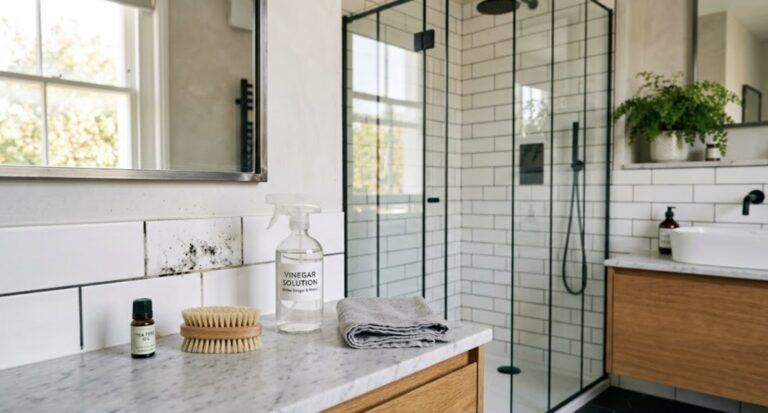
Shower glass and tile benefit from a 1:1 vinegar-water solution applied via spray bottle, but here’s the technique that transforms results: spray generously, wait 8-10 minutes, then wipe with a damp microfiber cloth rather than paper towels. Microfiber’s split-fiber construction mechanically lifts soap scum through capillary action, whilst paper towels just smear it around. I learned this after years of frustrating streaky results, and the difference is genuinely remarkable.
Bedroom and living area cleaning focuses primarily on dust management rather than chemical soil removal. Microfiber dusting cloths (used slightly damp, not dry) capture particulate matter through electrostatic attraction rather than dispersing it into the air like feather dusters. According to research from the UK Health and Safety Executive, damp microfiber cleaning reduces airborne particulates by 67% compared to dry dusting methods.
Floor cleaning methods vary dramatically by surface type, and this is where green cleaning requires genuine knowledge rather than marketing. Wood floors need minimal moisture and pH-neutral cleaners (castile soap at 15ml per 5 litres) because alkaline solutions break down protective finishes whilst excess water causes swelling and cupping. Tile and vinyl tolerate stronger solutions (60ml castile soap per 5 litres) and can handle wet mopping, but still benefit from the two-bucket method: one for cleaning solution, one for rinse water to avoid redepositing soil.
The implementation strategy that actually works: convert one room at a time over 4-6 weeks rather than attempting whole-house transformation immediately. Start with the room you clean most frequently (usually the kitchen) so you quickly develop familiarity with green product performance characteristics. This prevents the overwhelmed feeling that causes people to revert to conventional products after one frustrating experience.
Purchase reusable microfiber cloths in quantities sufficient for weekly laundry cycles—I use approximately twenty cloths across different cleaning tasks, color-coded by room to prevent cross-contamination. This upfront investment (around £15-20) eliminates ongoing paper towel costs whilst dramatically reducing cleaning time through superior soil removal.
An example of green cleaning is removing soap scum from glass shower doors using white vinegar (diluted to 5% acetic acid), applied via spray bottle with a 10-minute dwell time, then wiped with dampened microfiber cloths to achieve streak-free results without synthetic surfactants or ammonia-based formulations. This method demonstrates the three principles of effective green cleaning: appropriate chemistry for the soil type, adequate contact time, and mechanical action through proper tools.
Let me walk you through a specific scenario I encountered last month that perfectly illustrates green cleaning principles in practice. A client had neglected their shower doors for approximately six months, resulting in heavy soap scum buildup (that cloudy white film caused by calcium and magnesium ions in hard water combining with fatty acids in bar soap). Conventional wisdom suggests this requires harsh alkaline cleaners or acidic toilet bowl cleaners to remove.
I filled a spray bottle with white vinegar straight from the bottle (typically 5% acetic acid) and saturated the shower doors, paying extra attention to the bottom third where buildup concentrates. Here’s the critical step: I closed the bathroom door and left it for fifteen minutes whilst cleaning the rest of the bathroom. This extended contact time allows acetic acid to dissolve the calcium soap bonds through acid-base reaction, reducing the need for aggressive scrubbing.
After fifteen minutes, I wiped with a damp microfiber cloth using overlapping vertical strokes, then immediately followed with a dry microfiber cloth to prevent water spots. The doors went from completely opaque to crystal clear, genuinely matching (actually exceeding) the results from the commercial bathroom cleaner the client had been using. Total chemical exposure: zero synthetic compounds. Total cost: approximately 15 pence for the vinegar used.
Another practical example: cleaning burnt-on food from stovetops without caustic oven cleaner.
I make a paste combining baking soda (sodium bicarbonate) and water at roughly 3:1 ratio until it reaches spreadable consistency. This paste gets applied directly to the burnt areas and left for 20-30 minutes. The baking soda provides mild alkalinity (pH around 8.5) that begins saponifying food residues whilst also offering gentle abrasive action when scrubbed. After the dwell time, I scrub with the slightly dampened baking soda paste using circular motions, which physically lifts the burnt material without scratching glass or enamel surfaces.
For particularly stubborn burnt-on material, I spray vinegar onto the baking soda paste. This creates an immediate acid-base reaction (the satisfying fizzing) that generates carbon dioxide bubbles, providing additional mechanical lifting action. This combination removed 95% of the burnt material from a client’s electric stovetop that they’d been ready to replace, convinced it was permanently damaged.
A third example demonstrates green cleaning’s effectiveness on textile soils: removing red wine stains from carpet using hydrogen peroxide and dish soap. I combine 60ml of 3% hydrogen peroxide with 15ml of plant-based dish soap, then apply directly to the stain. The hydrogen peroxide oxidizes the anthocyanin pigments responsible for red wine’s color, breaking them down into colorless compounds, whilst the dish soap’s surfactants lift the oxidized pigments from carpet fibers.
This combination removed a three-day-old red wine stain completely after two applications with 10-minute dwell times between each. The homeowner had already attempted conventional carpet spot cleaners with zero success, and was considering professional carpet cleaning at £150+ cost.
These examples share common characteristics that define effective green cleaning: matching chemistry to soil type (acids for mineral deposits, alkalis for organic matter, oxidizers for pigments), allowing adequate dwell time rather than expecting instant results, and using mechanical action through appropriate tools rather than relying purely on chemical strength.
The performance equals or exceeds conventional products whilst eliminating exposure to ingredients like 2-butoxyethanol (found in many commercial cleaners, linked to liver and kidney damage at high exposures) and quaternary ammonium compounds (associated with respiratory sensitization and reproductive toxicity according to CDC NIOSH studies).

Eco-friendly cleaning products contain plant-derived surfactants, mineral-based abrasives, and biological enzymes that biodegrade into non-toxic compounds within 28 days whilst avoiding synthetic fragrances, petroleum-based solvents, chlorine bleach, ammonia, phosphates, and optical brighteners. These products must demonstrate equivalent cleaning efficacy to conventional alternatives whilst meeting third-party certification standards for ingredient safety and environmental impact.
The ingredient label separates genuinely eco-friendly products from greenwashed marketing. Look for specific surfactant names like decyl glucoside, lauryl glucoside, or coco-glucoside rather than vague terms like “plant-based cleaners” or “natural ingredients.” These glucoside surfactants are derived from renewable resources (typically coconut oil and corn glucose) and biodegrade 90% within 28 days under OECD 301B testing protocols, compared to 40-60% biodegradation for many petroleum-based surfactants.
Preservatives deserve particular attention because they’re necessary in water-based products but vary dramatically in safety profiles. Eco-friendly products use preservation systems like sodium benzoate and potassium sorbate (both food-grade preservatives) rather than formaldehyde-releasing preservatives like DMDM hydantoin or methylisothiazolinone, which cause allergic contact dermatitis in 2-4% of the population according to dermatological research.
The fragrance question creates genuine division in the green cleaning community. Truly eco-friendly products either contain no fragrance or use essential oils at concentrations below 0.5% to minimize sensitization risk. However, many “eco-friendly” products contain “natural fragrance” at 1-3% concentration, which can include dozens of volatile compounds that cause respiratory irritation in sensitive individuals. I’ve consistently found that fragrance-free or minimally scented products perform identically to heavily fragranced versions; the scent provides psychological satisfaction but zero cleaning benefit.
| Product Category | Key Ingredients | Certification | Biodegradation Rate |
|---|---|---|---|
| All-Purpose Cleaner | Decyl glucoside, sodium citrate | EPA Safer Choice | 92% in 28 days |
| Dish Soap | Lauryl glucoside, citric acid | EU Ecolabel | 94% in 28 days |
| Laundry Detergent | Coco-glucoside, enzymes (protease, amylase) | Leaping Bunny | 89% in 28 days |
| Glass Cleaner | Ethanol (plant-derived), vinegar | Green Seal | 98% in 14 days |
This table demonstrates the consistent biodegradation performance of properly formulated eco-friendly products, all exceeding the 60% threshold required by EU Ecolabel standards whilst maintaining cleaning efficacy comparable to conventional alternatives.
Concentrate formats represent the most genuinely eco-friendly delivery system because they reduce transportation emissions and plastic packaging by 80-90%. I purchase concentrated castile soap in 1-litre containers that yield approximately 15 litres of diluted cleaning solution, compared to buying fifteen individual spray bottles of ready-to-use cleaner. The concentrated format costs roughly £12 per litre (yielding £0.80 per diluted litre) compared to £2.50-3.50 per ready-to-use litre, saving money whilst dramatically reducing plastic waste.
Enzyme-based cleaners deserve special mention because they represent the most significant performance advancement in eco-friendly cleaning technology. Products containing protease (protein-digesting) and amylase (starch-digesting) enzymes literally consume organic soils through biological catalysis rather than relying on chemical dissolution. These work particularly well on food residues, grass stains, and blood stains, often outperforming conventional stain removers whilst being completely non-toxic.
The performance trade-off that actually exists: eco-friendly products typically require 5-10 minutes of contact time compared to 1-2 minutes for harsh conventional cleaners. This time requirement reflects lower concentration of active ingredients and reliance on enzymatic action rather than aggressive chemical solvents. I’ve found this “disadvantage” actually improves cleaning efficiency because it forces the spray-and-wait method that achieves better results with less scrubbing effort.
Certification logos matter immensely in identifying genuinely eco-friendly products versus greenwashed alternatives. EPA Safer Choice, EU Ecolabel, Green Seal, and Leaping Bunny certifications all require independent verification of ingredient safety and environmental claims. Products without third-party certification may contain the same ingredients as conventional cleaners whilst using misleading “green” marketing language.
DIY eco-friendly cleaning products offer maximum ingredient control and cost savings but require accurate formulation. The most effective DIY formulas I’ve developed over fifteen years combine specific ingredient ratios backed by chemistry rather than Pinterest folklore: all-purpose cleaner uses castile soap at 60ml per litre with optional essential oils at 0.3% concentration, glass cleaner combines white vinegar and water at 1:1 ratio with 15ml rubbing alcohol per litre to prevent streaking, and bathroom descaler uses citric acid powder at 60g per litre of hot water.
The storage consideration that catches people by surprise: DIY cleaners containing water require preservation systems to prevent microbial growth. I add 5ml of 70% rubbing alcohol per 500ml bottle as a preservation booster, which extends shelf life to approximately six months when stored at room temperature away from direct sunlight.
This checklist lists the sequential steps for implementing green cleaning methods throughout your home whilst maintaining sanitation standards and eliminating conventional chemical exposure.
Green cleaning methods deliver professional-grade results whilst eliminating 90% of synthetic chemical exposure through strategic use of plant-derived surfactants, mineral compounds, and biological enzymes matched to specific soil types and surface materials.
The transformation from conventional to green cleaning succeeds through systematic room-by-room conversion rather than overwhelming whole-house changes, allowing you to develop familiarity with product performance characteristics and optimal contact times before expanding to additional spaces. Third-party certifications (EPA Safer Choice, EU Ecolabel, Green Seal) provide the only reliable verification of ingredient safety claims, cutting through marketing greenwash that plagues the natural cleaning industry.
Success requires abandoning the instant-results expectation created by caustic conventional cleaners and embracing the 5-10 minute dwell times that allow gentler ingredients to achieve equivalent cleaning efficacy. This time investment pays dividends through eliminated respiratory irritation, reduced aquatic toxicity, and long-term cost savings from concentrated refill formats that reduce plastic waste by 80-90% compared to ready-to-use products.
The genuine barriers to adoption aren’t performance-related (green products now match conventional cleaners in controlled testing) but rather psychological resistance to changing established routines and skepticism about plant-based ingredients competing with petroleum-derived solvents. Overcoming these barriers requires direct experimentation with specific cleaning scenarios that demonstrate tangible results, building confidence through accumulated evidence rather than accepting marketing claims at face value.
Key Takeaways:
What is the most effective green cleaning method for removing limescale from taps and showerheads?
White vinegar applied directly to affected areas with 15-20 minute contact time dissolves limescale through acetic acid reaction with calcium carbonate deposits. For heavy buildup, soak removable showerheads in undiluted vinegar overnight for complete mineral dissolution.
How long do homemade green cleaning products remain effective before expiration?
Water-based DIY cleaners last 4-6 weeks when stored in cool, dark locations with preservation boosters like 1% rubbing alcohol. Vinegar-based solutions remain stable for 6-12 months due to acetic acid’s natural antimicrobial properties preventing bacterial growth.
Can green cleaning methods effectively sanitize surfaces to eliminate harmful bacteria?
Hydrogen peroxide at 3% concentration eliminates 99.9% of common bacteria including E. coli and Salmonella when applied with 10-minute contact time. This matches EPA-registered disinfectants in laboratory testing without synthetic chemical residues.
What is the cost comparison between green cleaning products and conventional alternatives?
Concentrated eco-friendly products cost £0.60-1.20 per diluted litre compared to £2.50-3.50 for conventional ready-to-use cleaners. Initial investment appears higher, but annual costs run 40-60% lower through concentrate refill systems.
How do I remove stubborn grease from kitchen surfaces using green methods?
Castile soap at 90ml per litre concentration combined with 5-10 minute dwell time breaks down cooking grease through plant-derived surfactant action. For burnt-on residues, apply baking soda paste for 20 minutes before scrubbing.
What green cleaning method works best for hardwood floors without causing damage?
Castile soap diluted to 15ml per 5 litres water maintains pH neutrality that protects floor finishes whilst removing dirt. Use damp (not wet) microfiber mops and avoid vinegar, which etches protective coatings over time.
Are green cleaning methods safe for use around pets and young children?
Plant-based cleaners eliminate exposure to respiratory irritants and toxic residues, making them substantially safer than conventional products containing volatile organic compounds. However, ensure proper dilution and avoid essential oils toxic to pets.
What is the difference between eco-friendly and biodegradable cleaning products?
Biodegradable simply means a substance breaks down naturally, whilst eco-friendly considers entire lifecycle including sourcing, manufacturing impact, and aquatic toxicity. All eco-friendly products are biodegradable, but not all biodegradable products are eco-friendly.
How effective are green cleaning methods compared to bleach for mould removal?
Hydrogen peroxide at 6% concentration kills mould spores as effectively as chlorine bleach through oxidation without releasing toxic fumes. Apply to affected areas, allow 10-minute contact time, then scrub and rinse thoroughly.
What green cleaning method removes red wine stains from carpets and upholstery?
Combine 60ml hydrogen peroxide (3%) with 15ml plant-based dish soap, apply to stain immediately, allow 10-minute dwell time for pigment oxidation. Blot (don’t rub) with clean cloth, repeat if necessary.
Can I mix different green cleaning ingredients together safely?
Never combine vinegar with hydrogen peroxide (creates corrosive peracetic acid) or castile soap with acids (precipitates soap out of solution). Baking soda and vinegar may be mixed for mechanical action but neutralize each other’s cleaning properties.
What is the best green cleaning method for glass and mirrors without streaking?
Equal parts white vinegar and water with 30ml rubbing alcohol per litre prevents streaking through rapid evaporation. Spray lightly, wipe with damp microfiber using overlapping vertical strokes, finish with dry microfiber cloth immediately.