Physical Address
304 North Cardinal St.
Dorchester Center, MA 02124
Physical Address
304 North Cardinal St.
Dorchester Center, MA 02124

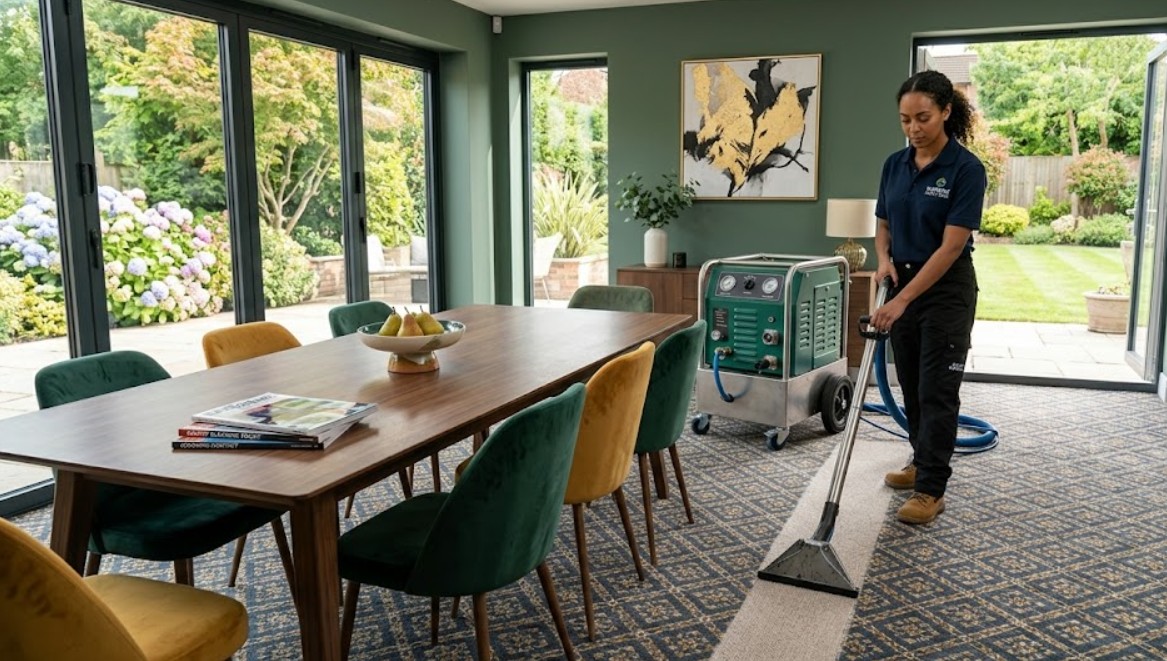
I’ll be honest with you: I spent years convincing myself that a good hoover and the occasional spray of fabric freshener was perfectly adequate carpet care. I have, on more than one occasion, optimistically declared a rug ‘fine’ when guests were due in twenty minutes. And then, about a decade into my career as an interior designer, I had a professional carpet cleaner come in before a big client reveal and watched, with equal parts embarrassment and delight, as water the colour of strong tea came pouring out of what I’d considered a reasonably clean carpet.
So, is it worth getting a carpet professionally cleaned? In short, yes. Absolutely, unequivocally yes. But let’s talk about the why, the how, the cost, and the practicalities so you can make the best decision for your home.
Carpets are, rather like a welcome mat for the entire household, quietly collecting everything that walks through the door. Dust, pollen, pet dander, bacteria, shoe muck, crumbs, the occasional mystery substance (we’ve all been there). Your hoover does a commendable job on the surface, but it simply cannot reach the fibres deep within the pile where all the interesting (and alarming) debris settles over time.
Professional cleaning changes everything.
Let’s talk about what professional carpet cleaning actually does that your home appliances cannot. The difference is genuinely transformative, and I say that as someone who has now witnessed it countless times.
The most obvious benefit is the sheer depth of clean. Professional equipment works at a level that domestic machines simply aren’t built to achieve. We’re talking about extraction that removes the grime, allergens, and bacteria living deep in the pile, not just what’s sitting on top. For anyone in the household who suffers from asthma, hay fever, or dust allergies, this matters enormously. According to the NHS, reducing exposure to indoor allergens like dust mites and pet dander is one of the key ways to manage allergy symptoms, and carpets can harbour both in abundance.
Beyond the health angle, there’s the longevity question. Carpets are a significant financial investment, and the grit and debris that accumulates in the fibres over time acts rather like sandpaper on the pile. Every footstep grinds those particles a little deeper, wearing the fibres down and dulling the appearance. Regular professional cleaning removes that abrasive buildup and genuinely extends the lifespan of your carpet.
Then there’s the smell. Odours from pets, cooking, general household life (and let’s not forget the occasional spilled wine) can be dramatically reduced or entirely eliminated by a professional clean. A hoover, bless it, does not address odour at the fibre level.
And finally, the appearance. A professionally cleaned carpet looks different. Colours appear brighter, pile looks fuller, patterns regain their definition. I’ve had clients who were on the verge of replacing a carpet entirely, convinced it was beyond saving, only to be astonished by the transformation a professional clean achieved. It saved them hundreds of pounds and kept a perfectly good carpet in service for years longer.
The benefits, then, are genuinely significant across health, longevity, freshness, and aesthetics. Professional cleaning isn’t a luxury indulgence; it’s sensible home maintenance.
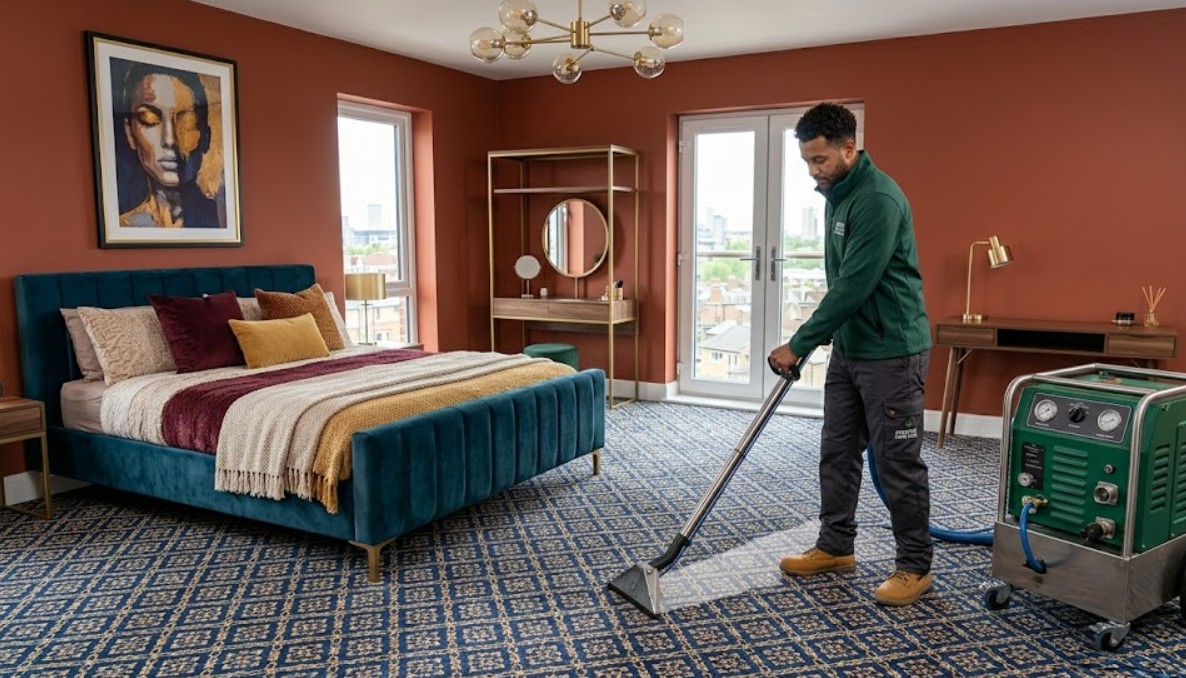
Now, the practical matter of cost. If you’re in the UK, prices vary depending on your region, the size of the rooms, the type of carpet, and the method of cleaning used, but you can expect to pay roughly between £25 and £40 per room for a standard clean, with whole-house packages often offering better value. Steam cleaning or hot water extraction tends to sit at the higher end; dry cleaning methods are sometimes cheaper. It’s always worth getting two or three quotes.
If you’re in the US, the picture is similar in terms of variation. Costs are influenced by square footage, the cleaning method, location, and any stain treatments required. The table below gives a practical overview of typical US pricing for professional carpet cleaning, which should help you budget accordingly.
| Room / Area Size | Avg. Cost (USD) | Method | Notes |
|---|---|---|---|
| Small room (up to 200 sq ft) | $75 – $125 | Steam / HWE | Bedroom, study |
| Medium room (200-300 sq ft) | $100 – $175 | Steam / HWE | Living room, dining room |
| Large room (300-500 sq ft) | $150 – $250 | Steam / HWE | Open plan spaces |
| Whole home (3-4 rooms) | $200 – $400 | Steam / HWE | Package deal often cheaper per room |
| Stairs (per flight) | $40 – $75 | Steam / HWE | Labour-intensive pricing |
| Area rug (small-medium) | $50 – $150 | Dry clean / HWE | Depends on fibre type |
| Stain treatment (per stain) | $15 – $40 | Spot treatment | Additional to base cost |
| Deodorising treatment | $20 – $50 | Add-on service | Recommended for pet households |
As this table shows, professional carpet cleaning in the US is genuinely accessible across a range of budgets, and whole-home packages almost always represent the best value per room. If you’re unsure whether to tackle one room or the whole house, the maths typically favours doing everything at once.
This is the question I’m asked most often at dinner parties (yes, I am that interior designer who gets asked carpet questions over dessert). Where does the dirt actually go?
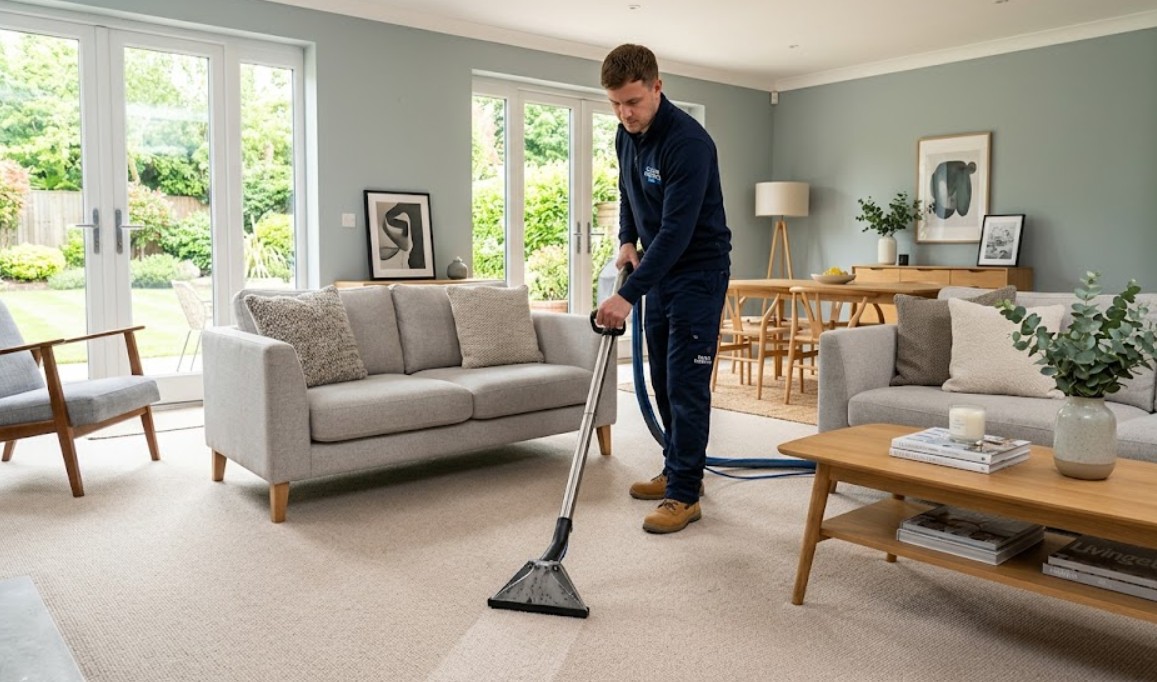
The most common professional method is hot water extraction, often called steam cleaning (though technically steam isn’t quite the right term). Here’s what happens in the process:
So the answer is straightforward: the dirt ends up in the machine. It’s extracted, not redistributed. This is rather different from some domestic carpet cleaning machines, which can, if you’re not careful, spread soiling around more than they remove it. The extraction power of professional equipment is the key difference, and it’s what makes professional cleaning so dramatically effective at actually removing debris rather than simply rearranging it.
For dry cleaning methods (sometimes recommended for certain carpet types or for faster drying times), the process involves a dry compound or foam that is worked into the pile, binds to the dirt, and is then vacuumed out. Again, the soiling is removed from the carpet entirely, not left within the fibres.
The Health and Safety Executive has published guidance on indoor air quality that highlights how carpets can act as a reservoir for fine particles and allergens. Professional extraction cleaning is one of the most effective ways of addressing this buildup, far more so than surface vacuuming alone.
I always tell clients: what comes out of the machine tells you everything. If the waste water looks murky after what you thought was a clean carpet, that’s just the reality of how much accumulates invisibly over time. It’s not a reflection of slovenly housekeeping. It’s simply what happens in a lived-in home.
Timing your professional carpet clean is partly about routine and partly about reading the signals your carpet is giving you.
You should schedule carpet cleaning about once a year for normal maintenance, and sooner if the carpet has pet accidents, visible stains, traffic lanes, odors, or allergy concerns. Homes with pets, young children, frequent guests, or light-colored carpet may need service more often.
The annual clean is really your baseline. It keeps the fibre in good condition, addresses the gradual buildup of allergens and bacteria that occurs in any household, and keeps your carpet looking its best. Think of it as rather like a service for your car: it doesn’t wait until something goes wrong, it’s just good regular maintenance that prevents bigger problems down the line.
That said, certain situations call for more immediate action. A pet accident that isn’t treated promptly can cause both permanent staining and a lasting odour that no amount of air freshener will tackle. High-traffic lanes (that familiar track between the sofa and the kitchen) accumulate grit at a faster rate and will show wear sooner without attention. Light-coloured carpets are unforgiving, and anyone with a cream or ivory carpet in a busy household will benefit from more frequent professional attention.
Seasonally, many people choose to book a professional clean in late spring, after the worst of the muddy winter foot traffic has passed, or in early autumn before the darker months begin. Both are perfectly sensible approaches. Some clients book before hosting significant events at home, which is a very good idea indeed.
The GOV.UK guidance on maintaining healthy indoor environments reinforces the importance of regular cleaning practices in managing indoor air quality, particularly in homes with young children, elderly residents, or anyone with respiratory conditions.
Darling, don’t wait until you can see the problem. By the time a carpet looks visibly dirty or smells noticeably musty, the buildup is already considerable. The whole point of a maintenance clean is to intervene before it reaches that stage.
We’ve covered a lot of ground today (pun entirely intended), so let’s bring it all together.
Professional carpet cleaning is not a vanity exercise. It’s not something reserved for households with particularly pale carpets or particularly large budgets. It’s a genuinely worthwhile investment for any home with carpeted floors, delivering real, measurable improvements to air quality, carpet lifespan, appearance, and freshness.
The process is well-established, the results are consistently impressive, and the cost, particularly when looked at against the alternative of replacing a worn-out carpet prematurely, represents excellent value. Whether you’re in the UK paying per-room prices or in the US budgeting by square footage, professional cleaning is accessible and worthwhile.
My practical advice: book a professional clean once a year as your baseline, and don’t hesitate to book sooner if you have pets, young children, heavy foot traffic, or a visible stain situation that’s getting out of hand. Ask your cleaner about their method (hot water extraction is generally considered the gold standard), enquire about drying times, and make sure they are using appropriate products for your carpet type.
The transformation, I promise you, will be everything. That slightly tired, slightly flat carpet you’ve been apologising for? It has a second life waiting.
Key Takeaways:
Is it worth getting a carpet professionally cleaned if it looks fairly clean? Yes, because the most significant buildup of allergens, bacteria, and fine grit happens deep within the fibres where it’s invisible to the eye. A carpet that looks presentable can still harbour considerable debris that affects air quality and wears the pile over time.
How long does professional carpet cleaning take? A single average-sized room typically takes between 20 and 45 minutes to clean, depending on the method and the level of soiling. A whole house might take anywhere from two to four hours including setup and moving furniture.
How long does the carpet take to dry after hot water extraction? Most carpets are dry within 6 to 12 hours, though good ventilation, open windows, and running a fan can significantly reduce this time. Avoid heavy foot traffic until the carpet is fully dry to prevent re-soiling.
Can professional cleaning damage my carpet? In the hands of a reputable, experienced cleaner using the correct method for your carpet type, damage is very unlikely. Always ensure your cleaner knows the fibre content of your carpet, as some delicate materials like wool require specific products and lower-pressure techniques.
What is the difference between steam cleaning and dry cleaning for carpets? Hot water extraction (commonly called steam cleaning) injects hot water and cleaning solution into the pile and extracts it along with the dislodged dirt, producing a very thorough clean but requiring drying time. Dry cleaning uses a compound or foam that binds to dirt and is vacuumed out, with minimal moisture and faster drying, though it may be less effective on heavily soiled carpets.
Does professional carpet cleaning remove all stains? Most stains respond very well to professional treatment, particularly if they are relatively recent and haven’t been set by previous cleaning attempts. Some stains, such as those caused by bleach, certain dyes, or very old pet urine, may be permanent, and a good cleaner will tell you honestly what they can and cannot achieve before they begin.
Is professional carpet cleaning safe for households with children and pets? Reputable professional cleaners use products that are safe for use in homes with children and pets once the carpet is dry. Always confirm with your cleaner which products they intend to use, and keep children and pets off the carpet until it is fully dry.
How often should I vacuum between professional cleans? Regular vacuuming at least once or twice a week is the recommended baseline for most households, and more frequently in high-traffic areas or homes with pets. Consistent vacuuming removes surface debris before it works its way deeper into the pile, which makes each professional clean more effective.
What should I do to prepare for a professional carpet clean? Clear the area of small furniture, breakables, and any items on the floor, and give the carpet a thorough hoover beforehand to remove loose surface debris. Most professional cleaners will move larger pieces of furniture but appreciate when you’ve made the space as accessible as possible.
Can professional cleaning help with pet odours specifically? Yes, significantly, particularly when combined with a specialist enzymatic deodorising treatment designed to break down the compounds responsible for pet odours at the fibre level. Surface odour treatments and air fresheners address the symptom; professional cleaning with the right products addresses the source.
Is professional carpet cleaning regulated or certified in the UK? There is no single mandatory regulatory body, but reputable cleaners often hold certification through bodies such as the National Carpet Cleaners Association (NCCA), which sets standards for training and practice. Checking for membership of a recognised professional association is a good way to assess quality before booking.
What is carpet cleaning according to general reference? According to Wikipedia, carpet cleaning encompasses several methods used to clean carpet fibres, including hot water extraction, dry cleaning, and shampooing, each suited to different carpet types and soil levels. Understanding these methods helps you choose the most appropriate service for your specific carpet and household needs.
How do I know if a carpet is too far gone for professional cleaning? A good professional cleaner will assess the carpet before beginning and give you an honest view of the likely outcome. Structural damage to the backing, moth damage, severe bleaching, or pile that has been completely ground down by wear may be beyond what cleaning can address, but visible soiling and most staining is rarely cause to write a carpet off entirely.
Will professional cleaning shrink my carpet? Shrinkage is an occasional risk with certain natural-fibre carpets, particularly wool, if they are over-wetted or if the backing is not adequately dried. A professional who knows their materials will use the appropriate moisture level and drying techniques to avoid this, which is another good reason to hire an experienced, qualified cleaner.
Does the time of year affect when I should book a professional clean? Late spring and early autumn are popular choices because conditions are generally more favourable for drying: weather is mild enough to open windows, and you’re either at the end of the muddy winter season or preparing for the months ahead. That said, professional cleaners work year-round and can achieve excellent results in any season with proper ventilation.