Physical Address
304 North Cardinal St.
Dorchester Center, MA 02124
Physical Address
304 North Cardinal St.
Dorchester Center, MA 02124

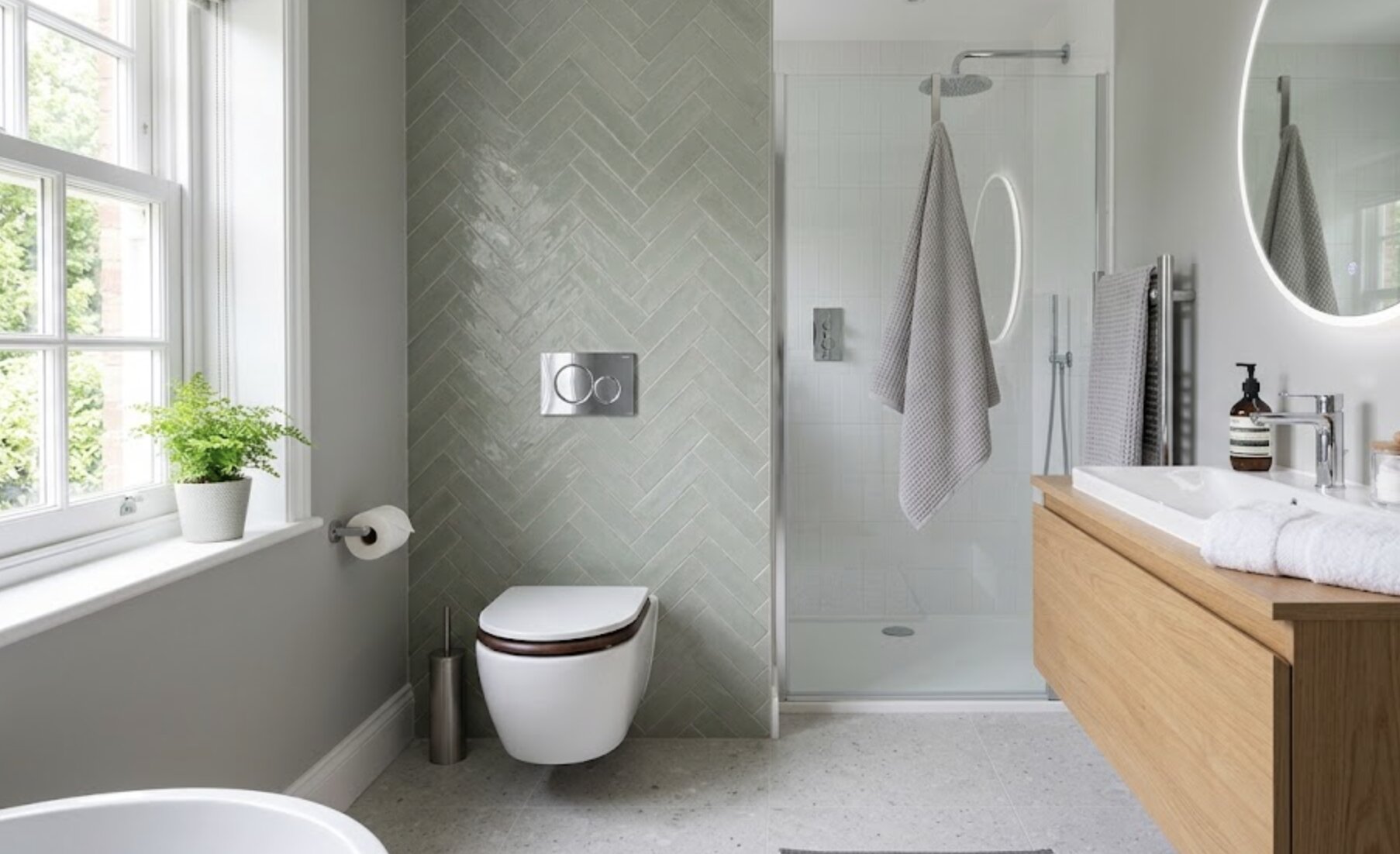
A toilet needs a proper clean at least once a week, with a quick wipe-down every two to three days to keep bacteria under control. Bathrooms as a whole need weekly deep cleaning too, though high-touch spots like taps and door handles benefit from daily attention.
It sounds simple. It isn’t quite that simple.
In this guide, we’ll cover how often you’re really supposed to clean a toilet, whether daily cleaning is overkill, and the most hygienic way to tackle the job properly. I’ll also share the products that actually cut through serious grime, drawing on years spent elbow-deep in bathrooms that hadn’t seen a scrubbing brush in far too long.
Toilets should be cleaned every day only with a quick wipe using an antibacterial spray on the seat, handle, and rim, rather than a full scrub. Daily deep cleaning wears down enamel and isn’t necessary for most households. I get asked this a lot, usually by clients who’ve read one too many cleaning blogs promising a spotless loo morning and night.
Here’s the honest answer: daily deep cleaning is overkill for the vast majority of homes. What you actually want is a thirty-second daily wipe of the flush handle, the seat, and the rim, paired with a proper weekly clean that gets into the bowl, behind the seat hinges, and around the base.
This is precisely the approach professional cleaners take, and it’s worth understanding why they’re so much quicker at it than the rest of us. If you’re curious about the tricks of the trade, professional house cleaners have a specific rhythm that most homeowners never pick up on, and it comes down to sequencing rather than sheer effort.
Rather like brushing your teeth, the daily habit matters more than any single deep session. Skip the daily wipe for a week and you’ll notice the difference far more than if you skipped one weekly scrub.
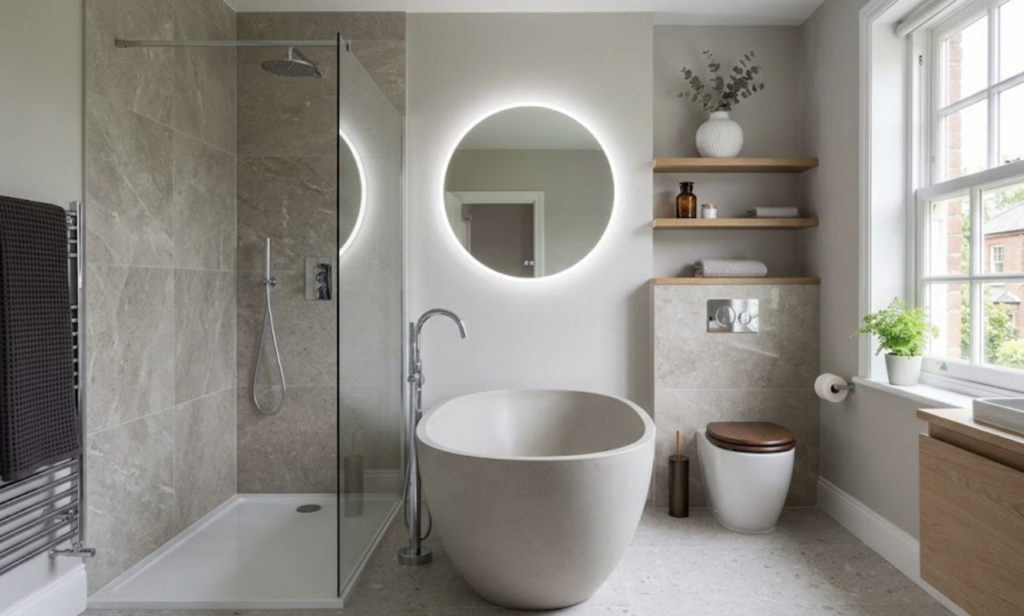
Toilets should be cleaned every day only with a quick wipe using an antibacterial spray on the seat, handle, and rim, rather than a full scrub. Daily deep cleaning wears down enamel and isn’t necessary for most households.
I get asked this a lot, usually by clients who’ve read one too many cleaning blogs promising a spotless loo morning and night.
Here’s the honest answer: daily deep cleaning is overkill for the vast majority of homes. What you actually want is a thirty-second daily wipe of the flush handle, the seat, and the rim, paired with a proper weekly clean that gets into the bowl, behind the seat hinges, and around the base.
This is precisely the approach professional cleaners take, and it’s worth understanding why they’re so much quicker at it than the rest of us. If you’re curious about the tricks of the trade, professional house cleaners have a specific rhythm that most homeowners never pick up on, and it comes down to sequencing rather than sheer effort.
Rather like brushing your teeth, the daily habit matters more than any single deep session. Skip the daily wipe for a week and you’ll notice the difference far more than if you skipped one weekly scrub.
A bathroom requires a complete clean, including sink, shower, floor, and mirrors, once a week to maintain hygiene standards. High-touch surfaces such as taps and light switches need daily wiping to limit germ spread between household members.
This checklist lists the steps for cleaning a toilet and bathroom to a proper hygienic standard.
That list looks tidy on paper, but bathrooms rarely stay tidy in practice.
Life gets in the way, guests arrive unannounced, and sometimes the bathroom simply has to wait until Sunday. What matters is consistency over perfection, and building the habit into a day you’ll actually remember, bin day, laundry day, whatever anchors it for you.
If you rent your home or use a cleaner, it’s also worth knowing where the responsibility for this typically sits. Many people assume housekeepers work as staff, when actually most housekeepers operate on a self-employed basis, which changes who’s liable for supplying products and equipment.
One final thought on frequency: mould doesn’t wait for your schedule. If you spot black spots forming in the shower corner, that needs treating immediately regardless of where you are in your weekly routine.
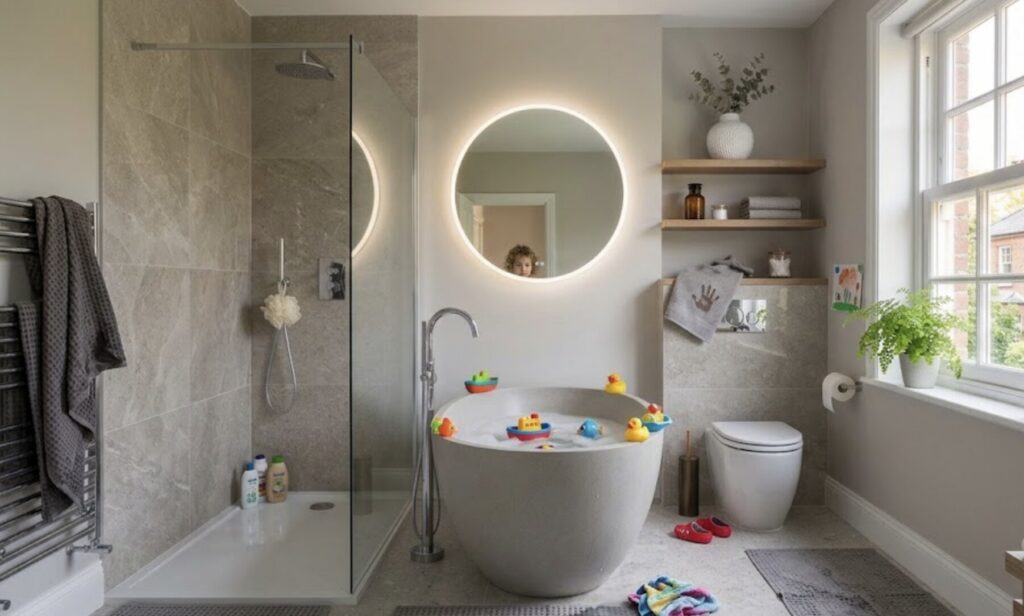
A toilet requires a full clean, including the bowl, seat, and base, once every seven days to prevent limescale buildup and bacterial growth. Households with young children or pets often need twice-weekly cleaning due to higher contamination levels.
That weekly figure isn’t plucked from thin air. It’s roughly how long it takes for limescale to start forming a ring under the waterline, particularly if you live somewhere with hard water (much of the south and east of England, for instance).
Now, here’s where it gets personal. I once worked in a household of six, two adults and four teenagers sharing one main bathroom, and a weekly clean simply wasn’t cutting it. We moved to twice weekly and the difference in both smell and the state of the bowl was night and day.
Smaller households with one or two occupants can often stretch to once a week without any issues at all. Pay attention to what your own bathroom is telling you rather than following a rule blindly.
| Household Type | Recommended Frequency | Key Reason |
|---|---|---|
| Single person / couple | Once a week | Lower usage, less bacterial load |
| Family with children | Twice a week | Higher contamination, splashing |
| Household with pets | Twice a week | Fur, dander, litter tracking |
| Shared/HMO housing | Every 3-4 days | Multiple users, higher germ transfer |
| Elderly or immunocompromised residents | Every 3-4 days | Greater infection risk |
Families and shared households clearly need to clean far more often than someone living alone, mostly down to sheer volume of use. If you’re managing a bigger household and feel like cleaning has taken over your week, it’s worth reading about how cleaning can actually improve your mental health, because a tidier bathroom genuinely does lift your mood.
Getting your toilet and bathroom cleaning routine right isn’t about scrubbing every single day. It’s about matching the frequency to how your household actually lives, whether that’s a weekly clean for a couple or a twice-weekly routine for a busy family home.
The habits that make the real difference are small ones. A daily wipe of the handle and seat, proper contact time for disinfectant, and working from clean to dirty each time you tackle the bowl.
Get those basics right and you’ll spend far less time fighting limescale and far more time simply enjoying a bathroom that feels genuinely clean, not just recently sprayed.
Three quick takeaways:
For heavy limescale, use an acid-based descaler or thick toilet gel and let it sit for 15-30 minutes before scrubbing.
Clean the toilet bowl weekly (twice weekly for families or pet owners), with a daily 30-second wipe of the seat and handle.
Always allow disinfectant at least 60 seconds of contact time, and work from the cleanest surface to the dirtiest.
How often should you clean your toilet and bathroom if you live alone? A single-occupant household can usually manage with one thorough clean per week. A quick daily wipe of the seat and flush handle is still worthwhile even when you live alone.
Is it bad to only clean your toilet once a week? Once a week is perfectly adequate for most single or two-person households, provided high-touch areas get a daily wipe in between. Where it becomes a problem is in larger households, where weekly alone often isn’t enough to keep bacteria and limescale in check.
How long does it take bacteria to build up in a toilet bowl? Bacteria can begin multiplying within hours of a toilet being used, though visible buildup typically takes several days to become noticeable. This is why the daily wipe of high-touch surfaces matters just as much as the weekly deep clean.
Can you use bleach and toilet cleaner together? No, mixing bleach with other cleaning products, particularly those containing ammonia or acids, can produce dangerous toxic fumes. Always use one product at a time and rinse the bowl before switching between them.
What’s the best way to clean a toilet brush itself? Soak the brush head in a diluted bleach solution for around 10 minutes after each use, then allow it to air dry fully before storing it. A damp, unwashed brush left in its holder is one of the biggest hidden sources of bathroom bacteria.
How often should the bathroom floor be mopped? The bathroom floor benefits from a weekly mop alongside your main toilet clean, with a quick spot-clean around the toilet base if splashing occurs. Damp floors left unmopped for longer periods can encourage mould growth in grout and corners.
Does cleaning frequency affect toilet lifespan? Yes, regular cleaning prevents limescale from etching into the ceramic glaze, which can otherwise leave permanent staining over time. According to general sanitation guidance from the World Health Organization, consistent hygiene practices also reduce the spread of common household bacteria and viruses.
Should you clean the toilet before or after the rest of the bathroom? Clean the toilet last, after the sink, shower, and surfaces, to avoid spreading toilet bacteria onto areas you’ve already cleaned. The floor should always be the very final step, mopped once every other surface is finished.