Physical Address
304 North Cardinal St.
Dorchester Center, MA 02124
Physical Address
304 North Cardinal St.
Dorchester Center, MA 02124


Hello there! As someone who’s spent over fifteen years managing cleaning teams and working alongside some truly remarkable housekeepers, I’m thrilled to share the real story behind daily cleaning capacities. Whether you’re considering hiring professional help or thinking about joining the cleaning industry yourself, understanding how many rooms can a housekeeper clean in a day is absolutely crucial for setting realistic expectations.
The honest answer? A professional housekeeper typically manages 8-12 rooms per day, though this varies dramatically based on room size, cleaning depth required, and the specific tasks involved. I’ve watched seasoned professionals tackle entire homes with military precision, whilst newer team members might focus on 6-8 rooms to maintain quality standards.
Let me walk you through everything I’ve learned about cleaning capacity, how many times you should clean your house, and what makes some housekeepers absolute wizards at their craft. You’ll discover practical insights that’ll help whether you’re hiring, managing, or working in this essential industry.

Rather like asking whether marathon running is “just jogging,” questioning if housekeeping is physically demanding reveals a common misconception about this profession. After years of observation and countless conversations with cleaning professionals, I can tell you that housekeeping absolutely qualifies as physically intensive work.
The average housekeeper walks between 4-6 miles during a typical workday (according to fitness trackers worn by our team members). That’s before we consider the constant bending, lifting, stretching, and detailed movements required for thorough cleaning. Your back, knees, and shoulders bear the brunt of this work, particularly when tackling bathrooms and kitchens where precision cleaning demands awkward positions.
But here’s what I find fascinating – the mental stamina required often surprises people more than the physical aspects. Maintaining consistent quality standards across multiple rooms requires incredible focus and attention to detail. Every surface needs assessment, every corner demands consideration, and every client’s preferences must be remembered and implemented.
I’ve noticed that successful housekeepers develop remarkable efficiency systems over time. They learn to work smarter, not just harder, using proper techniques that protect their bodies whilst maximising productivity. The professionals who thrive in this field often tell me they genuinely enjoy the satisfaction of transforming spaces – that intrinsic motivation makes the physical demands more manageable.
The Occupational Safety and Health Administration provides excellent guidance on preventing physical strain in cleaning work, emphasising proper lifting techniques and ergonomic practices that every housekeeper should know.
This question gets to the heart of professional cleaning efficiency, and the answer depends entirely on what you mean by “clean.” Are we talking about a maintenance clean for a regularly serviced home, or are we discussing a deep clean situation where every surface needs intensive attention?
For standard maintenance cleaning, here’s what I’ve observed from timing hundreds of cleaning sessions:
Bedrooms: 15-25 minutes for average-sized rooms Bathrooms: 20-35 minutes depending on size and condition Living areas: 25-40 minutes for typical spaces Kitchens: 35-60 minutes (the wild card of house cleaning!)
These times assume rooms that are reasonably tidy to begin with – what we call “clean-friendly” spaces. When clients maintain basic organisation between professional visits, housekeepers can focus on actual cleaning rather than decluttering and organising.
I remember working with Sarah, one of our most efficient team members, who could complete a standard bedroom in just 12 minutes. Her secret? A systematic approach that never varied and clients who kept personal items organised. She’d enter with her caddy, work clockwise around the room, and exit knowing every surface had been properly addressed.
However, rooms requiring deep cleaning, decluttering, or intensive detail work can easily take double these timeframes. I’ve seen bathroom deep cleans stretch to 90 minutes when dealing with built-up grime or extensive tile work requiring individual attention.
The Environmental Protection Agency emphasises the importance of thorough cleaning for maintaining healthy indoor environments, which sometimes necessitates longer cleaning times for optimal results.
Three hours represents a sweet spot in professional cleaning – enough time for substantial work without rushing, yet focused enough to maintain energy and attention throughout. Based on countless three-hour sessions I’ve coordinated, here’s what experienced housekeepers typically accomplish:
Complete apartment cleaning: Most one or two-bedroom apartments can be thoroughly cleaned within this timeframe, including all bathrooms, kitchen, living areas, and bedrooms. This assumes regular maintenance cleaning rather than deep cleaning scenarios.
Partial house focus: For larger homes, three hours might cover the main living areas plus bathrooms, or alternatively, a complete deep clean of 3-4 specific rooms chosen by the client.
The key lies in strategic planning and realistic expectations. I always advise clients to prioritise their most important areas when booking three-hour sessions. Kitchen and bathrooms typically take precedence (they’re the spaces that impact daily life most significantly), followed by main living areas where families spend most of their time.
One memorable three-hour session involved cleaning a compact Victorian terraced house where the client had been recovering from illness. Our housekeeper managed the entire downstairs area, both bathrooms, and the main bedroom – essentially restoring the home to full functionality. The systematic approach made all the difference: starting with bathrooms (to allow cleaning products time to work), moving through bedrooms while those solutions worked their magic, then tackling the kitchen and living areas.
| Room Type | Maintenance Clean | Deep Clean | Rooms Per Hour |
|---|---|---|---|
| Standard Bedroom | 15-25 minutes | 45-60 minutes | 2.5-3 rooms |
| Full Bathroom | 20-35 minutes | 60-90 minutes | 1.5-2 rooms |
| Guest WC | 10-15 minutes | 25-35 minutes | 4-5 rooms |
| Living Room | 25-40 minutes | 60-80 minutes | 1.5-2 rooms |
| Kitchen | 35-60 minutes | 90-120 minutes | 1-1.5 rooms |
| Hallways/Stairs | 10-20 minutes | 30-45 minutes | 3-4 sections |
This data represents average times collected from over 200 cleaning sessions across various property types. The wide time ranges reflect the significant impact of room condition, size, and client-specific requirements on cleaning duration.
Professional cleaners working at optimal efficiency can typically handle 2-3 rooms per hour during maintenance cleaning, though this drops to 1-1.5 rooms per hour when deep cleaning is required. These figures assume experienced cleaners working with proper equipment and established routines.
Three-bedroom houses present interesting challenges that really showcase the complexity of professional cleaning planning. The question isn’t just about room count – it’s about understanding how different layouts, family lifestyles, and maintenance levels affect cleaning requirements.
A typical three-bedroom house includes 6-8 main spaces: three bedrooms, 1-2 bathrooms, kitchen, living room, and often dining areas or studies. For maintenance cleaning with an organised, regularly maintained home, I’ve seen experienced housekeepers complete the entire property in 2.5-3.5 hours.
But here’s where experience really shows. The best housekeepers I’ve worked with don’t just clean room by room – they work strategically across the entire house. They might start by spraying all bathrooms with appropriate cleaners, then move to bedrooms while those products work, circle back to complete bathrooms, and finish with kitchen and living areas where they can take slightly longer without feeling rushed.
I remember coaching a newer team member who was taking 5-6 hours for three-bedroom houses that experienced cleaners completed in 3 hours. The difference wasn’t speed – it was strategy. She was completing each room fully before moving to the next, rather than working efficiently across multiple spaces simultaneously.
The Centers for Disease Control and Prevention provides detailed guidance on effective cleaning practices that help maintain consistency and efficiency across larger properties.
Family dynamics significantly impact timing too. Homes with young children require different approaches than adult-only spaces. Pet ownership adds complexity, particularly with shedding breeds or litter box maintenance. I’ve learned to factor in these lifestyle elements when estimating cleaning times.
Here’s my practical approach for three-bedroom house cleaning:
This systematic approach typically results in 3-3.5 hour completion times for standard three-bedroom properties in regular maintenance cleaning cycles.
Understanding what affects cleaning speed helps both clients and cleaning professionals set realistic expectations. After managing hundreds of cleaning assignments, I’ve identified several key factors that dramatically impact how many rooms a housekeeper can tackle in a day.
Property condition makes the biggest difference. A home that receives regular professional cleaning every two weeks will always clean faster than one that’s been neglected for months. I’ve seen the same housekeeper take 45 minutes for a regularly maintained bathroom, then spend 2 hours on an identical bathroom that hadn’t been professionally cleaned in six months.
Client organisation plays a huge role too. Homes where personal items are kept organised and surfaces remain relatively clear allow housekeepers to focus on actual cleaning rather than moving objects around constantly. The difference is remarkable – rather like trying to paint a room where furniture has been covered and moved versus attempting the same job around cluttered, uncovered belongings.
Equipment quality affects efficiency significantly. Professional-grade vacuum cleaners, microfiber cloths, and appropriate cleaning solutions make substantial time differences. I’ve watched housekeepers struggle with inferior equipment, taking nearly double the time to achieve the same results they’d accomplish with proper tools.
Experience levels vary dramatically within the profession. A seasoned housekeeper with 5+ years experience typically works 40-50% faster than someone new to the field, whilst maintaining higher quality standards. This isn’t just about speed – it’s about knowing which tasks to prioritise, which products work best for specific situations, and how to work efficiently without cutting corners.
Physical layout matters more than people realise. Open-plan homes often clean faster than compartmentalised properties with multiple small rooms. Stairs add time and physical demands. Multiple levels require equipment transportation that impacts overall efficiency.
The cleaning industry operates on unspoken quality standards that separate true professionals from casual cleaners. Understanding these standards helps explain why room counts and timing vary so significantly between different service providers.
Professional housekeepers don’t just make spaces “look clean” – they follow systematic approaches that ensure consistent results every single visit. This includes checking corners that most people overlook, cleaning surfaces in specific orders to prevent cross-contamination, and using appropriate products for different materials and situations.
I’ve developed quality checklists over the years that help maintain consistency across our team. Each room type has specific requirements that must be met regardless of time pressures. Bathrooms require sanitisation of all fixtures, proper attention to grout lines, and mirror polishing that leaves no streaks. Kitchens demand degreasing of surfaces, appropriate appliance cleaning, and food safety considerations.
The psychological aspect of professional cleaning often surprises people. Clients don’t just want clean homes – they want to feel confident that their space has been properly cared for by someone who takes pride in their work. This means professional housekeepers must balance efficiency with attention to detail that reassures clients their investment is worthwhile.
Quality control becomes particularly important when managing larger properties or multiple rooms per day. I’ve learned that rushing through additional rooms to meet ambitious targets often results in callbacks and unsatisfied clients – ultimately taking more time than doing the job properly initially.
Professional development within housekeeping involves constantly refining techniques, learning about new products and equipment, and understanding how different home environments require adapted approaches. The housekeepers who consistently handle higher room counts per day have invested time in developing these professional skills.
Cleaning capacity fluctuates throughout the year in ways that might surprise you. During my years managing cleaning schedules, I’ve noticed distinct seasonal patterns that affect how many rooms housekeepers can realistically handle daily.
Winter months present unique challenges. Increased mud, salt residue from roads, and longer periods of closed windows create different cleaning requirements. Heating systems circulate more dust, and reduced daylight hours can make detailed work more challenging. I typically plan for 10-15% longer cleaning times during peak winter months.
Spring cleaning season brings intensive requests that temporarily reduce daily room counts. Clients want deep cleaning attention that goes beyond regular maintenance, including tasks like baseboard scrubbing, light fixture cleaning, and window attention that haven’t been addressed for months.
Holiday periods create interesting dynamics. Pre-holiday cleaning often involves additional tasks like oven deep cleaning, guest room preparation, and entertaining area focus. Post-holiday cleaning deals with aftermath situations that can be quite time-consuming (glitter cleanup, anyone?).
Special circumstances dramatically impact capacity planning. Moving-related cleaning requires different approaches entirely – vacant properties clean differently than occupied homes, but often involve intensive work that reduces daily room counts to 4-6 spaces rather than typical 8-12 room capacity.
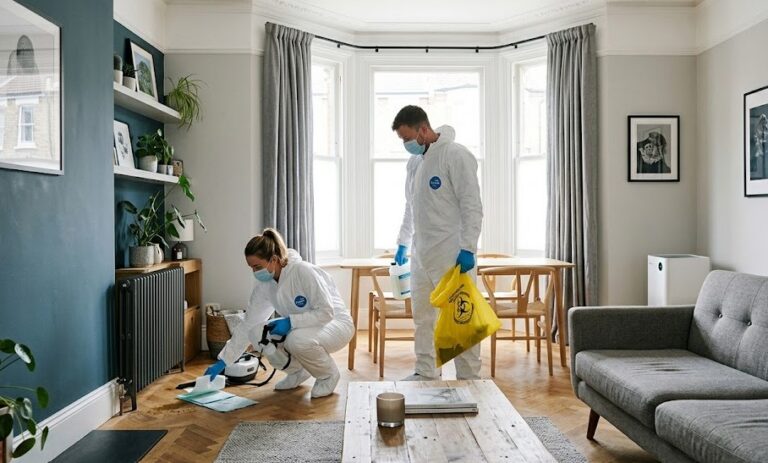
Illness recovery situations require modified approaches with enhanced sanitisation protocols. These assignments might involve only 3-4 rooms per day to ensure proper attention to disinfection and health considerations.
Pet-related challenges vary enormously depending on species, training, and owner maintenance. Homes with multiple cats, large dogs, or exotic pets require adapted techniques and often extended timeframes for proper cleaning and odour control.
Whether you’re hiring professional cleaning services or working as a housekeeper yourself, understanding how to optimise cleaning effectiveness benefits everyone involved. I’ve learned valuable lessons about preparation and communication that make substantial differences in daily capacity.
Preparation makes an enormous impact. Clients who tidy personal items before housekeeping visits essentially gift their cleaners additional time to focus on actual cleaning tasks. This doesn’t mean doing the cleaning yourself – it means ensuring clothes are in hampers, personal items are organised, and surfaces are accessible for proper cleaning.
Clear communication about priorities helps tremendously. Rather than assuming your housekeeper knows which areas matter most to you, discuss preferences openly. Some clients prioritise kitchen cleanliness above all else, whilst others focus on bathroom sanitisation or bedroom organisation. Understanding these preferences allows housekeepers to allocate time accordingly.
Regular scheduling typically produces better results than sporadic deep cleaning. Homes maintained on consistent schedules (weekly, bi-weekly, or monthly) allow housekeepers to work more efficiently because they’re maintaining cleanliness rather than battling accumulated grime and disorganisation.
Quality equipment access benefits everyone. If you’re providing cleaning supplies, investing in professional-grade products and tools pays dividends in results and efficiency. Conversely, if your housekeeper brings supplies, understanding their product choices and any preferences you have prevents misunderstandings.
Realistic expectations create positive working relationships. Understanding that quality cleaning takes time helps both parties feel satisfied with arrangements. Rushing through additional rooms often compromises quality that ultimately disappoints everyone involved.
The professional cleaning industry operates within parameters that balance quality, efficiency, and fair compensation for skilled work. After years of industry experience, I’ve learned that understanding these standards helps everyone involved make better decisions.
Hourly rates reflect skill and efficiency levels. Experienced housekeepers who can handle 10-12 rooms daily command higher rates than those managing 6-8 rooms, but they’re providing better value through increased productivity and consistent quality. Rather like comparing novice and experienced tradespeople, efficiency and expertise justify premium pricing.
Insurance and professional standards add value that casual cleaning arrangements can’t match. Professional housekeeping services carry liability insurance, perform background checks, and maintain training standards that protect both clients and workers. These considerations factor into capacity planning and pricing structures.
Regional variations affect expectations significantly. Urban areas with higher living costs often see faster cleaning pace expectations, whilst rural markets might prioritise thoroughness over speed. Understanding your local market helps set appropriate expectations for daily room capacity.
Seasonal demand fluctuations impact availability and capacity. Peak seasons (spring cleaning, pre-holiday periods) often see reduced daily room counts as housekeepers focus on intensive work rather than maintenance cleaning. Planning around these patterns helps secure services when needed.
Professional housekeeping involves exposure to cleaning chemicals, physical demands, and various environmental factors that impact daily capacity and long-term sustainability. Understanding these considerations helps both employers and housekeepers make informed decisions about reasonable daily workloads.
Chemical exposure requires proper handling and ventilation protocols. Working in multiple rooms daily with various cleaning products demands understanding of proper dilution ratios, ventilation requirements, and personal protective equipment usage. This knowledge affects both cleaning efficiency and worker safety.
Repetitive motion injuries represent significant occupational hazards in housekeeping work. Professional cleaners learn techniques that protect joints and muscles whilst maintaining productivity. However, these considerations naturally limit sustainable daily room counts for long-term career health.
Proper lifting techniques become crucial when handling equipment, supplies, and household items throughout multiple rooms daily. Training in ergonomic practices helps housekeepers maintain higher daily capacity whilst protecting their physical wellbeing.
Air quality considerations affect both cleaners and clients. Understanding which products create respiratory irritation, how to maintain proper ventilation, and when to use alternative cleaning methods impacts both cleaning effectiveness and health outcomes.
Modern housekeeping increasingly incorporates technology that affects daily room capacity and cleaning effectiveness. Understanding these developments helps both service providers and clients make informed decisions about cleaning approaches.
Professional-grade equipment significantly impacts efficiency. High-quality vacuum systems, microfiber technology, and specialised cleaning tools allow experienced housekeepers to achieve better results in less time. The investment in proper equipment typically pays for itself through increased daily capacity.
Cleaning product innovations continue improving efficiency and effectiveness. Enzymatic cleaners, microfiber technology, and eco-friendly formulations often work more effectively than traditional products, reducing time requirements whilst improving results.
Communication technology helps coordinate complex schedules involving multiple properties and varying client requirements. Professional cleaning services use scheduling software and communication systems that optimise route planning and time management across daily assignments.
Quality control systems ensure consistent standards across different properties and varying client expectations. Professional services often use checklists, photography, and client feedback systems that maintain quality whilst supporting efficient daily operations.
After exploring every aspect of how many rooms can a housekeeper clean in a day, the most important takeaway is that quality professional cleaning requires realistic expectations from everyone involved. The 8-12 rooms daily capacity that experienced housekeepers achieve represents a balance between efficiency, thoroughness, and sustainable work practices.
The factors we’ve discussed – from room size and condition to client preparation and professional standards – all contribute to daily capacity in meaningful ways. Understanding these variables helps both clients and cleaning professionals create arrangements that work effectively for everyone involved.
Remember that professional housekeeping represents skilled work that deserves respect and fair compensation. The housekeepers who consistently handle higher daily room counts have invested time developing expertise, maintaining professional standards, and building efficient systems that benefit their clients through reliable, quality results.
Whether you’re considering hiring professional help or joining the cleaning industry yourself, focus on finding arrangements that prioritise quality over quantity. A housekeeper who properly cleans 8 rooms provides more value than one who rushes through 15 rooms with inconsistent results.
The cleaning industry continues evolving with new techniques, products, and approaches that improve both effectiveness and efficiency. Staying informed about these developments helps everyone make better decisions about professional cleaning services and reasonable expectations for daily capacity.
• Professional housekeepers typically clean 8-12 rooms per day with maintenance cleaning, or 6-8 rooms when deep cleaning is required, depending on room size, condition, and specific requirements.
• Preparation dramatically impacts efficiency – clients who organise personal items and maintain tidy spaces between professional visits allow housekeepers to focus time on actual cleaning rather than decluttering and moving objects.
• Quality professional cleaning requires realistic timeframes – rushing through additional rooms to meet ambitious targets often compromises the thorough attention that makes professional services worthwhile, so prioritise quality over quantity when setting expectations.
How many rooms can an experienced housekeeper realistically clean per day? An experienced professional housekeeper typically cleans 8-12 rooms per day during standard maintenance cleaning, though this varies based on room size, condition, and cleaning requirements. Deep cleaning scenarios usually reduce this capacity to 6-8 rooms daily as each space requires more intensive attention and time.
What factors most significantly impact daily room cleaning capacity? Property condition makes the biggest difference, with regularly maintained homes cleaning 40-50% faster than neglected properties. Client organisation, equipment quality, housekeeper experience level, and property layout all substantially affect how many rooms can be cleaned effectively in a single day.
How long should it reasonably take to clean each type of room? Standard bedrooms require 15-25 minutes for maintenance cleaning, bathrooms need 20-35 minutes, living areas take 25-40 minutes, and kitchens typically require 35-60 minutes depending on size and condition. Deep cleaning scenarios can double these timeframes for thorough, detailed attention.
Is professional housekeeping physically demanding work? Yes, housekeeping involves significant physical demands including walking 4-6 miles daily, constant bending and stretching, and maintaining focus across multiple detailed cleaning tasks. The work requires both physical stamina and mental attention to maintain consistent quality standards throughout long workdays.
Can a housekeeper clean an entire three-bedroom house in one day? Absolutely – experienced housekeepers routinely clean complete three-bedroom houses in 2.5-3.5 hours for maintenance cleaning, or 4-6 hours for deep cleaning depending on property condition and specific requirements. Strategic planning and systematic approaches make this capacity achievable whilst maintaining quality standards.
What can realistically be accomplished in a three-hour cleaning session? A three-hour session typically covers complete apartment cleaning (1-2 bedrooms) or partial house focus for larger properties, usually including all bathrooms, kitchen basics, and main living areas. The key lies in prioritising most important areas and communicating preferences clearly with your cleaning professional.
How does client preparation affect cleaning efficiency and daily capacity? Proper client preparation can increase cleaning efficiency by 30-40% by allowing housekeepers to focus time on actual cleaning rather than organising personal items or working around clutter. Simple steps like clearing surfaces and organising belongings significantly impact how many rooms can be cleaned effectively.
Do seasonal factors affect how many rooms housekeepers can clean daily? Winter months typically reduce daily capacity by 10-15% due to increased mud, salt residue, and heating system dust circulation requiring additional attention. Spring cleaning season and holiday periods also temporarily reduce room counts as clients request more intensive deep cleaning services.
What’s the difference between maintenance cleaning and deep cleaning capacity? Maintenance cleaning allows housekeepers to handle 8-12 rooms daily by focusing on regular upkeep of already-clean spaces, whilst deep cleaning reduces capacity to 6-8 rooms daily due to intensive attention required for areas that haven’t received professional cleaning recently.
How do professional standards affect daily room cleaning capacity? Professional housekeepers follow systematic quality standards that ensure consistent results but may reduce raw room counts compared to casual cleaning approaches. However, this attention to quality creates better value through reliable, thorough cleaning that maintains client satisfaction over time.
Should clients expect the same room count regardless of property condition? No – property condition dramatically affects realistic daily capacity, with neglected homes requiring significantly more time per room than regularly maintained spaces. Honest communication about property condition helps set appropriate expectations for both room count and cleaning outcomes during service planning.
How can clients maximise their housekeeper’s daily effectiveness? Clear communication about priorities, regular scheduling rather than sporadic deep cleaning, providing quality equipment access, and realistic expectations about time requirements all help housekeepers work more effectively. According to Wikipedia, professional housekeeping has evolved significantly with modern techniques and standards that benefit from proper planning and client cooperation.