Physical Address
304 North Cardinal St.
Dorchester Center, MA 02124
Physical Address
304 North Cardinal St.
Dorchester Center, MA 02124

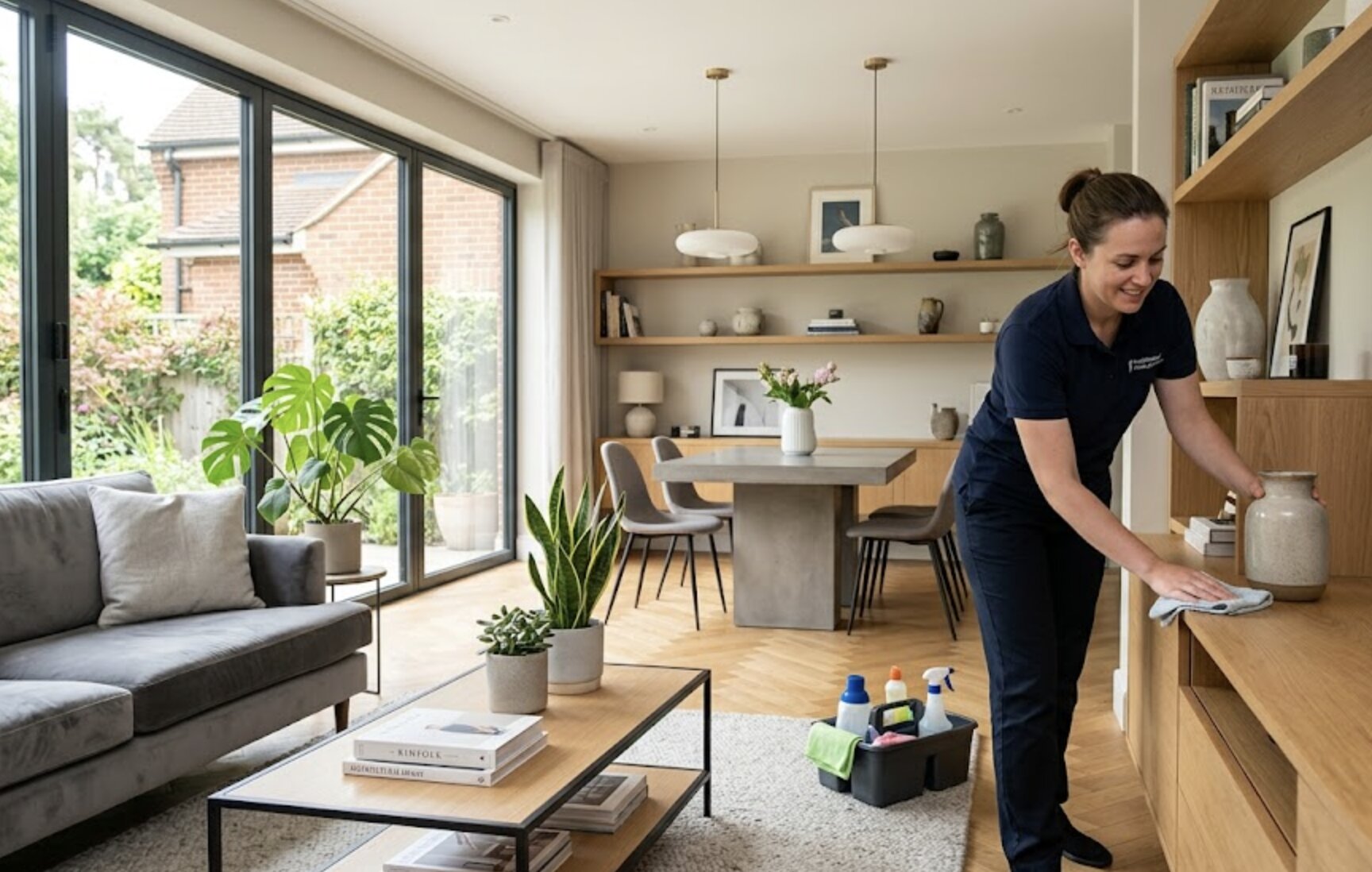
No, you do not have to be licensed to be a housekeeper in the UK or the US. Housekeeping is an unregulated profession in most countries, meaning there is no government-issued licence required to clean private homes or work in a hotel housekeeping department.
That said, “no licence required” does not mean “anything goes.”
In this guide, we will cover what qualifications are genuinely useful, how to become self-employed, how to find your first job without experience, and what legal requirements actually do apply to housekeepers. I will share practical advice and real scenarios from years of working in and around the domestic cleaning industry so you can start your housekeeping career with real confidence.
Housekeepers do not need formal qualifications to work in private homes or entry-level hotel roles, though employers increasingly prefer candidates who hold a Level 1 or Level 2 Award in Cleaning and Support Services, which covers professional cleaning techniques, health and safety, and chemical handling.
The honest truth is that the vast majority of housekeepers working in the UK and US today started with no formal qualifications whatsoever. Experience and reliability count for far more than certificates when you are applying to clean someone’s home. I have spoken to dozens of clients over the years who hired their housekeeper based on a strong reference and a good first impression, and not once did they ask to see a certificate.
That said, qualifications do open doors. If you want to work in a luxury hotel, a high-end private household, or a large estate, a recognised cleaning qualification signals that you take the role seriously. The BICS (British Institute of Cleaning Science) offers widely respected courses that cover everything from surface care to infection control. These are not compulsory, but they are genuinely valued by premium employers.
DBS checks (Disclosure and Barring Service checks, known as background checks in the US) are a different matter entirely. Many private clients and agencies require these before you start work, particularly if you will be working in homes with children or vulnerable adults. A DBS check is not a qualification, but it is often a practical prerequisite.
For a thorough breakdown of the qualification landscape, the guide at The Clean Home on housekeeper qualifications covers the options clearly and honestly.
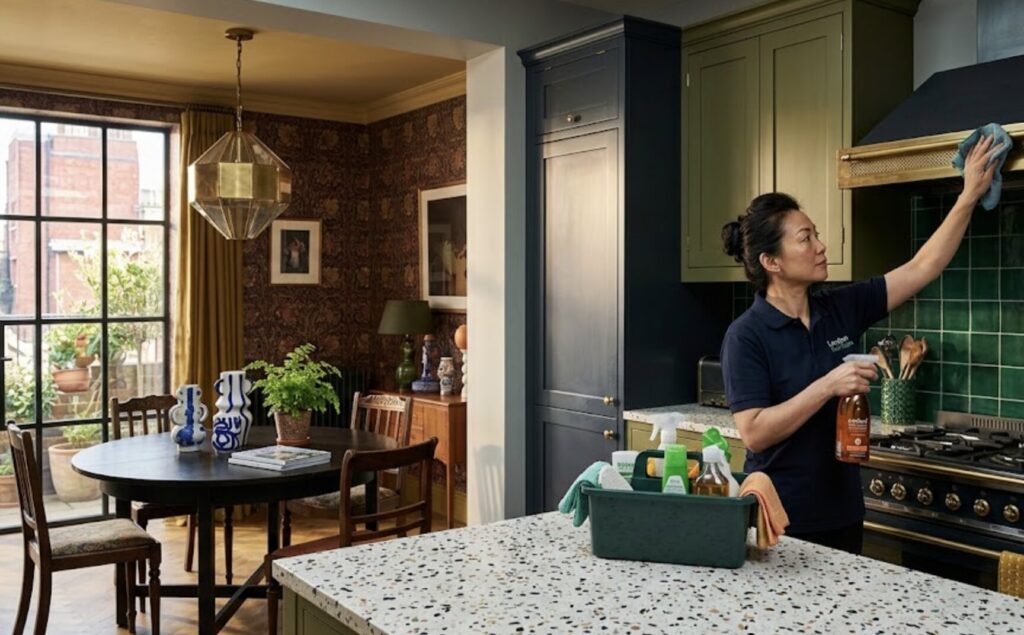
Setting up as a professional housekeeper requires registering with HMRC within three months of starting, obtaining public liability insurance from £60 per year, setting an hourly rate between £15 and £25, and securing at least two to three initial clients through local advertising or personal referrals before launching fully.
Following a logical sequence from the beginning saves a great deal of confusion and avoids the most common mistakes new housekeepers make. Here is the order that works best in practice.
Becoming a self-employed housekeeper involves registering as self-employed with HMRC (or the IRS in the US), setting a competitive hourly rate between £15 and £25 in the UK, obtaining public liability insurance, and building an initial client base through local advertising and word-of-mouth referrals.
Going self-employed as a housekeeper is genuinely one of the more accessible routes into running your own small business. The overheads are low, the demand is consistent, and most of your marketing in the early days is simply telling people you know that you are available.
The practical steps are straightforward. Register with HMRC as a sole trader as soon as you start earning, because they expect registration within three months of beginning self-employment. Public liability insurance is not a legal requirement, but I would never encourage anyone to work without it. A single accident, a broken ornament, a flooded bathroom, and the cost of a year’s insurance suddenly looks very reasonable. Most policies start at around £60 to £80 per year for sole traders.
Pricing yourself correctly from the start is important. Undercutting the local market to win your first clients can trap you in a cycle of low rates that are hard to raise later. Research what local agencies charge, then price slightly below their rates as a competitive but credible independent operator.
For a detailed walkthrough of setting up on your own, the guide at The Clean Home on how to train to be a housekeeper is worth reading before you take the leap.
| Item | Typical Figure | Notes |
|---|---|---|
| Hourly rate (private clients) | £15 to £25 per hour | Varies by region; London rates often higher |
| Public liability insurance | £60 to £120 per year | Essential for solo operators |
| DBS check (Basic) | £18 (England and Wales) | Many clients request this before hiring |
| BICS Level 1 Award | £150 to £300 | Online and in-person options available |
| BICS Level 2 Award | £300 to £500 | Preferred by luxury and hotel employers |
| National Living Wage (employed) | £11.44 per hour (2024) | Minimum if working as an employee |
Self-employed housekeepers working in London and the South East typically earn at the higher end of these ranges, while rates in the North of England and Wales tend to sit closer to £15 to £18 per hour. The insurance figure is the one cost that surprises most people when they start out, though at under £100 per year it remains excellent value.
To be a licensed housekeeper is not a requirement in the UK, the US, or most other countries, as housekeeping remains an unregulated profession with no statutory licence. The practical requirements that genuinely matter are public liability insurance, a basic DBS check, knowledge of COSHH regulations, and the professional attitude that keeps clients coming back.
If you have been putting off starting a housekeeping career because you assumed a formal licence or lengthy course was required, you can put that concern aside. The barriers to entry are genuinely low.
What separates average housekeepers from excellent ones is not paperwork. It is consistency, trustworthiness, and the kind of attention to detail that means a client never has to check your work. Those qualities are built through practice, not certificates.
Start where you are. Register as self-employed, tell people you are available, get your first client, and do the job brilliantly. Everything else follows from there.
Key Takeaways:
Do you need a licence to clean houses in the UK? No licence is required to clean houses in the UK, as housekeeping and domestic cleaning are unregulated professions. You do need to register as self-employed with HMRC if you are charging for your services, but no government-issued cleaning licence exists in this country.
What is the minimum age to work as a housekeeper? The minimum age to work as a housekeeper in the UK is 16, which is the school-leaving age and the minimum age for most employment. Some hotel groups require housekeeping staff to be at least 18 due to the physical demands of the role and the use of chemical cleaning products.
Is housekeeping considered a skilled job? Housekeeping is increasingly recognised as a skilled profession requiring knowledge of cleaning techniques, chemical safety, textile care, and time management. Organisations such as the British Institute of Cleaning Science have worked for decades to raise the professional profile of cleaning as a career.
Do I need insurance to work as a housekeeper? No law in the UK or US requires self-employed housekeepers to hold insurance, but public liability insurance is strongly advised before entering any client’s home. A basic policy covering £1 million of liability typically costs between £60 and £120 per year and protects you against accidental damage claims.
Can I work as a housekeeper if I have a criminal record? Having a criminal record does not automatically disqualify you from working as a housekeeper, as each employer or client will make their own assessment. Spent convictions under the Rehabilitation of Offenders Act 1974 do not need to be declared for most housekeeping roles, though unspent convictions should be disclosed honestly.
What is the difference between self-employed and employed housekeeping work? Self-employed housekeepers set their own rates, manage their own schedules, and are responsible for their own tax and insurance arrangements. Employed housekeepers receive a regular salary, holiday pay, and employer pension contributions, but have less flexibility over their hours and working arrangements.
Do housekeepers need a work visa to work in the UK? Non-UK nationals require the right to work in the UK before taking on any paid housekeeping work, which typically means holding a visa that permits employment or self-employment. UK employers and clients are legally required to conduct right-to-work checks before taking on any member of staff.
How much can a self-employed housekeeper earn in the UK? A self-employed housekeeper in the UK typically charges between £15 and £25 per hour depending on location and the complexity of the work. Working a consistent 25-hour week at the mid-range rate of £18 per hour would produce a gross annual income of approximately £23,000 before tax and expenses.